
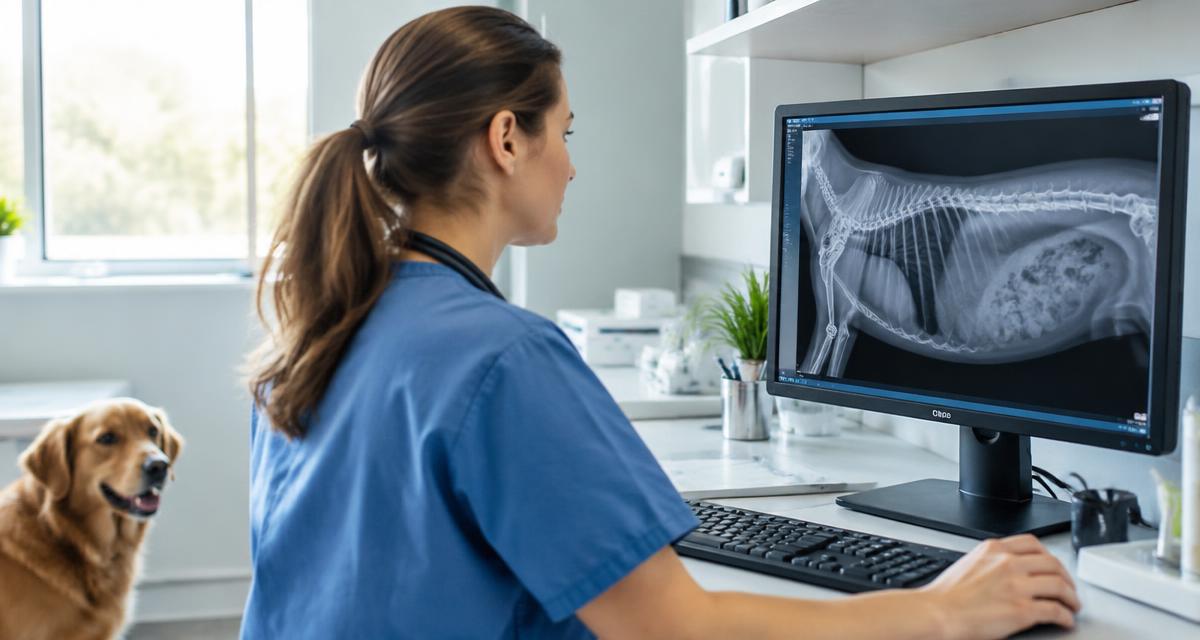
 Teleradiology
What Is Veterinary Teleradiology?
Remote reading turns a clinic's own imaging equipment into a direct line to a board-certified radiologist.
Read article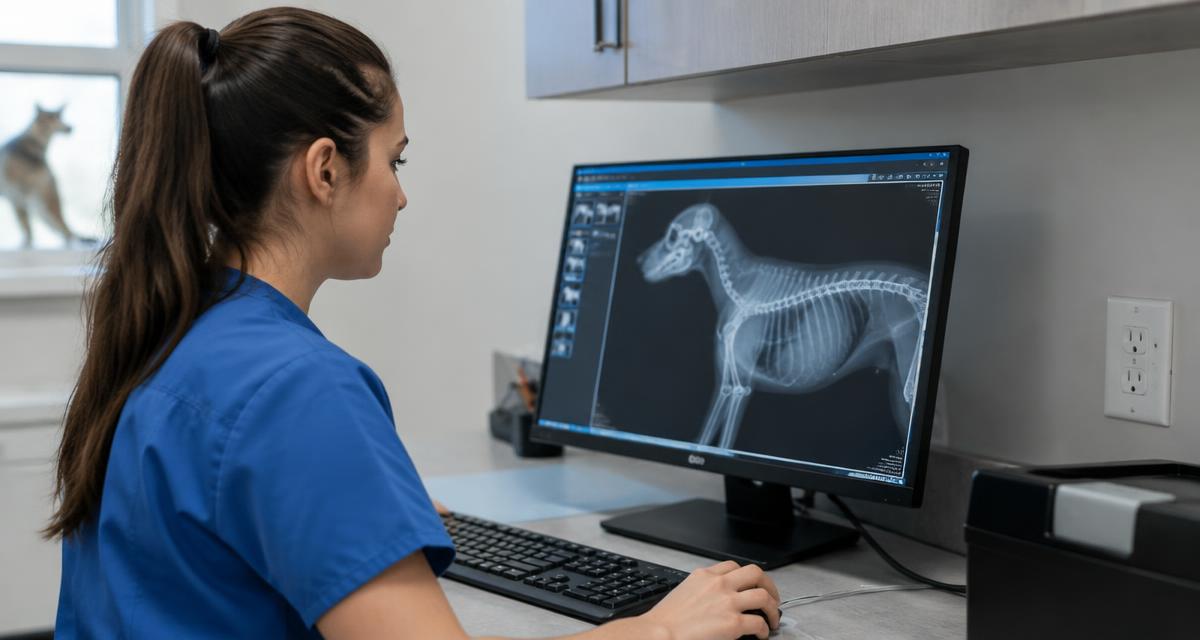 Workflow
From Image Submission to Final Report
Five steps sit between the study on your table and the answer your team can act on.
Read article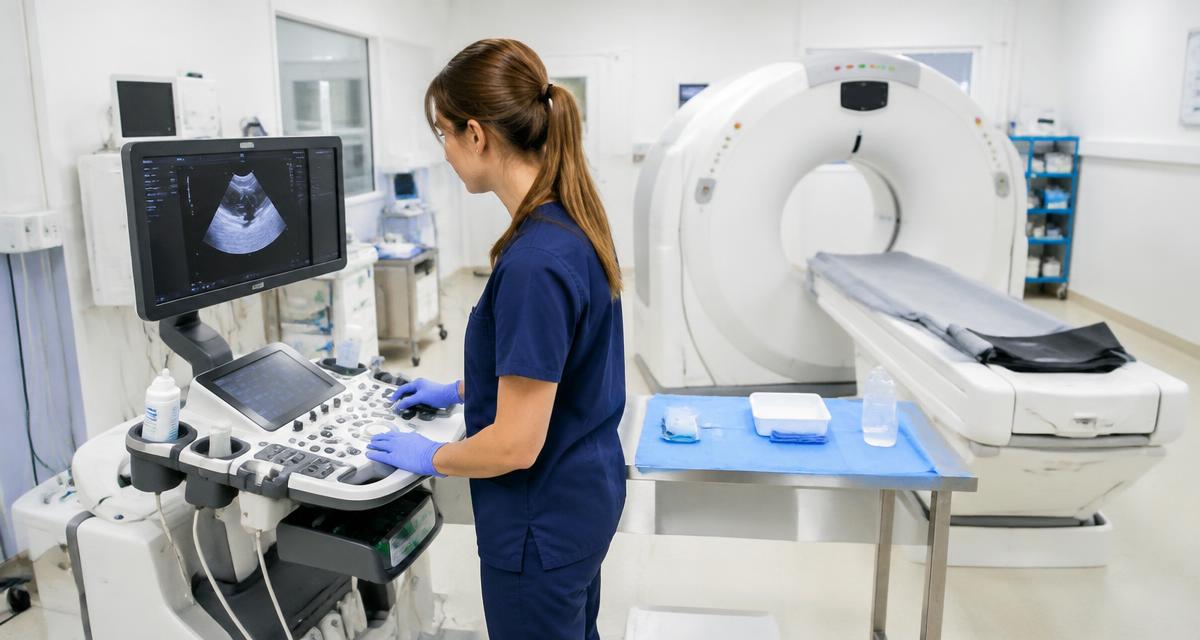 Teleradiology
Veterinary Teleradiology Services Explained
Services differ less in what they read than in how fast, how clearly, and how reachable the radiologist is.
Read article Choosing a provider
Comparing Veterinary Teleradiology Companies
Ten questions separate services that look similar on a website.
Read article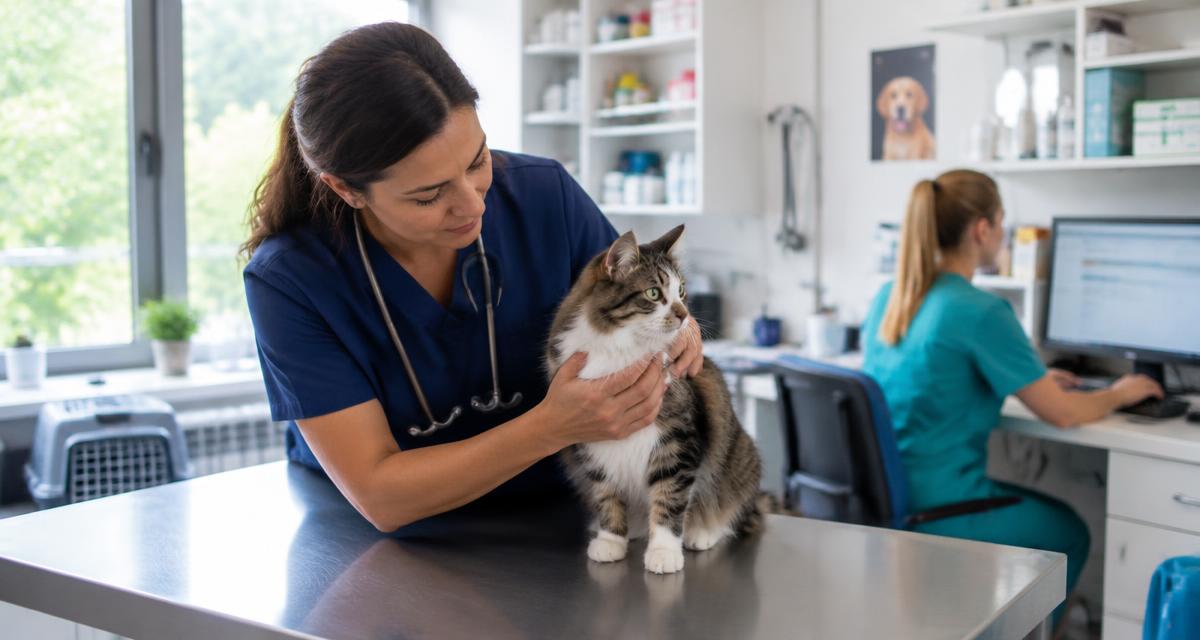 Practice management
When Does a Practice Need Teleradiology?
The trigger is rarely volume. It is the case you cannot confidently call on your own.
Read article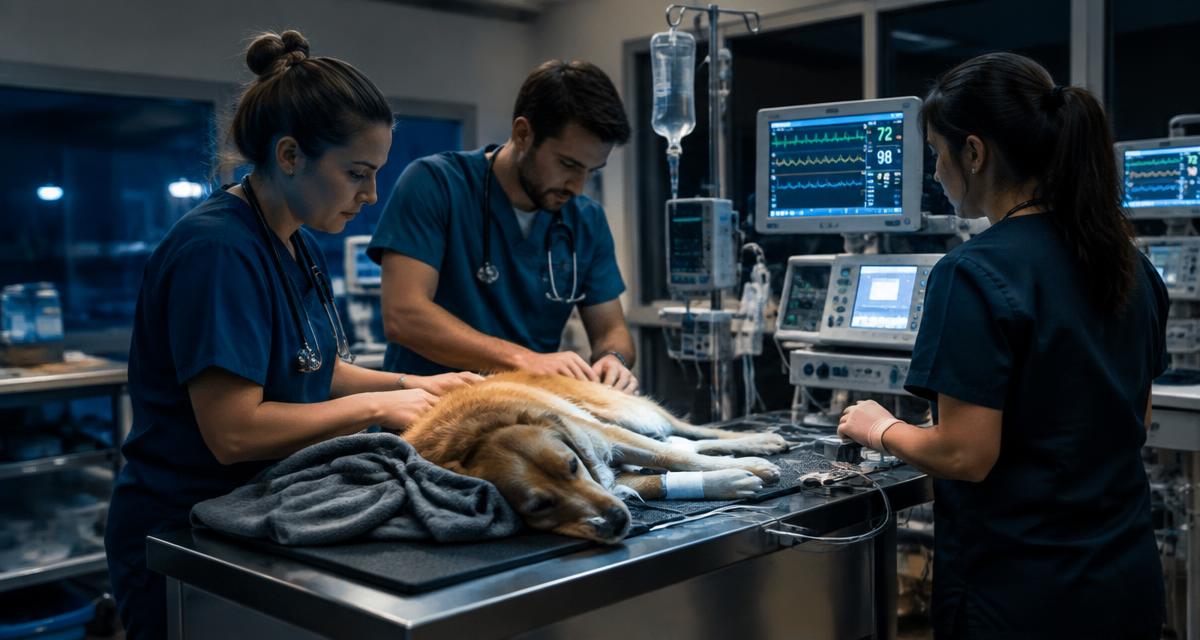 Emergency
Wet Reads in Emergency Practice
In the ER, the cost of waiting is measured in decisions that cannot be made.
Read article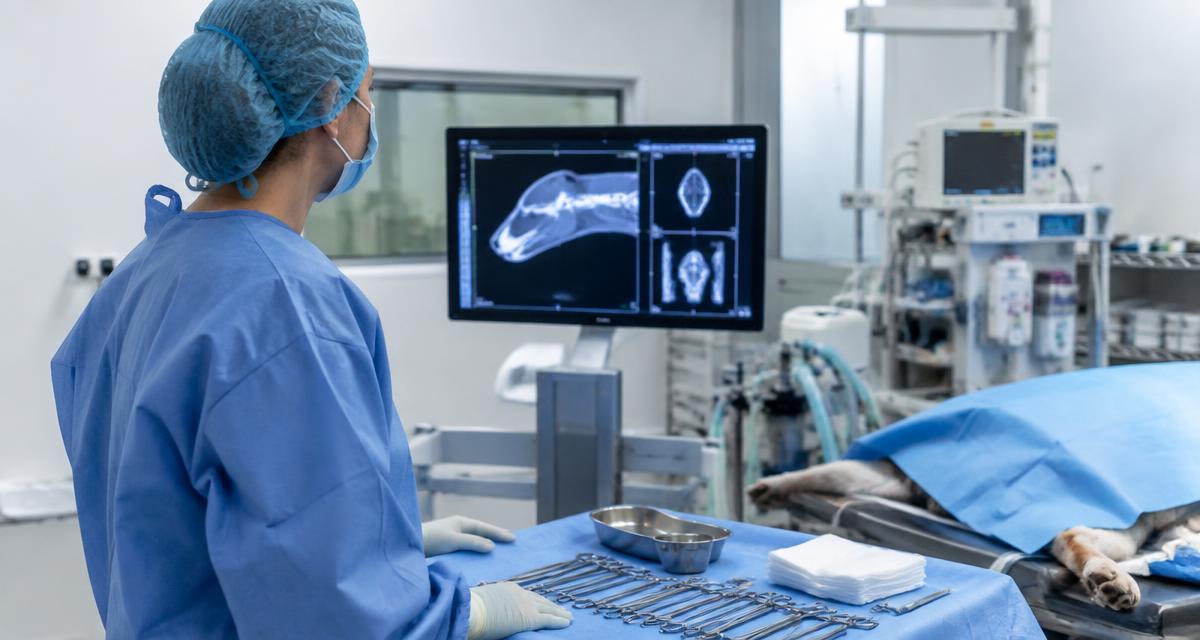 Surgery
Wet Read for Surgery Planning
A surgical plan is only as good as the question the imaging was asked to answer.
Read article Practice management
Teleradiology in General Practice: First 30 Days
The first month decides whether remote reading becomes a habit or an occasional rescue.
Read article Emergency
Coverage on Nights, Weekends and Holidays
It's the same on Sunday at 3 AM as it is on Wednesday at 3 PM.
Read article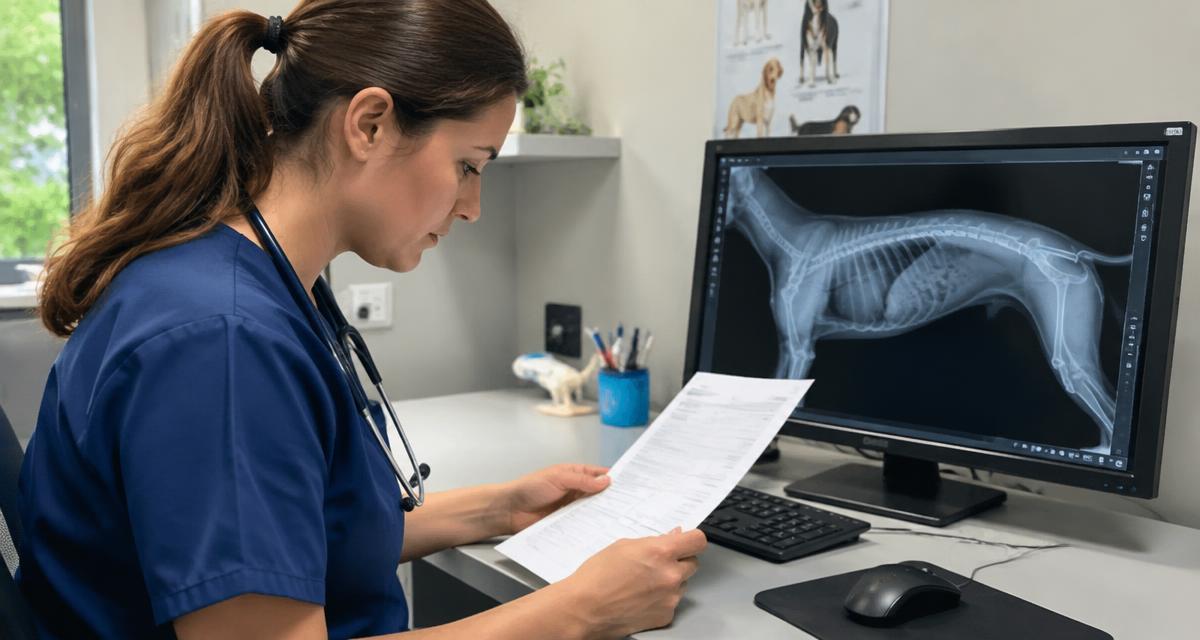 Reports
How Teleradiology Reports Should Be Structured
The structure of a report decides how long it takes to act on it.
Read article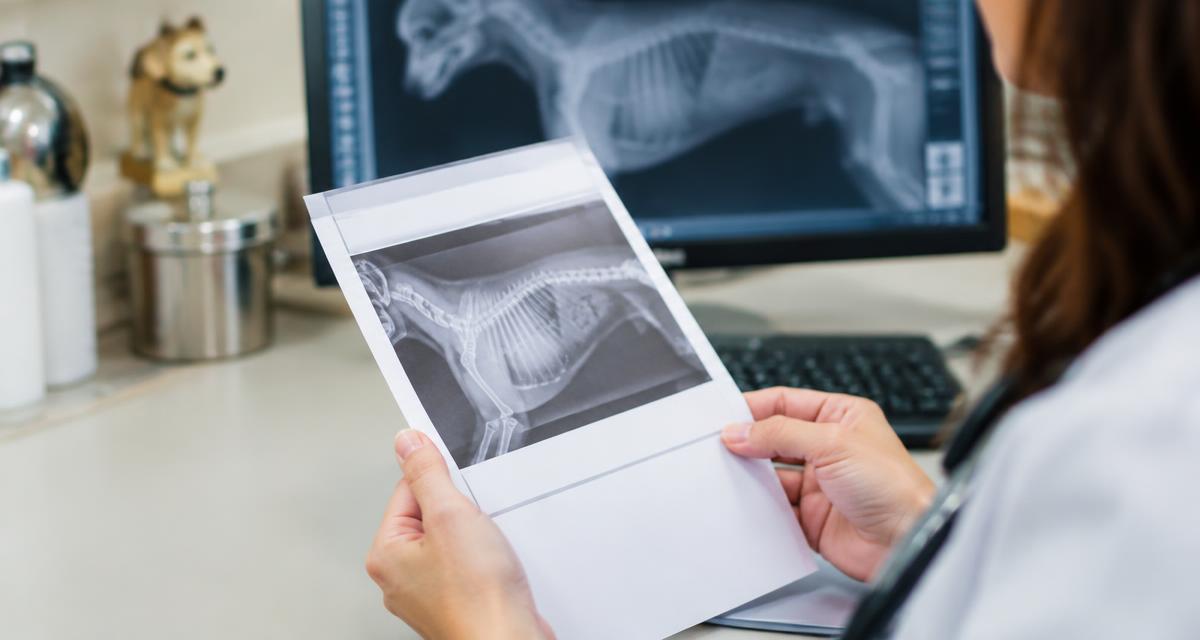 Reports
Impression-on-Top Reporting
The conclusion near the top, like a journal abstract; not buried at the bottom.
Read article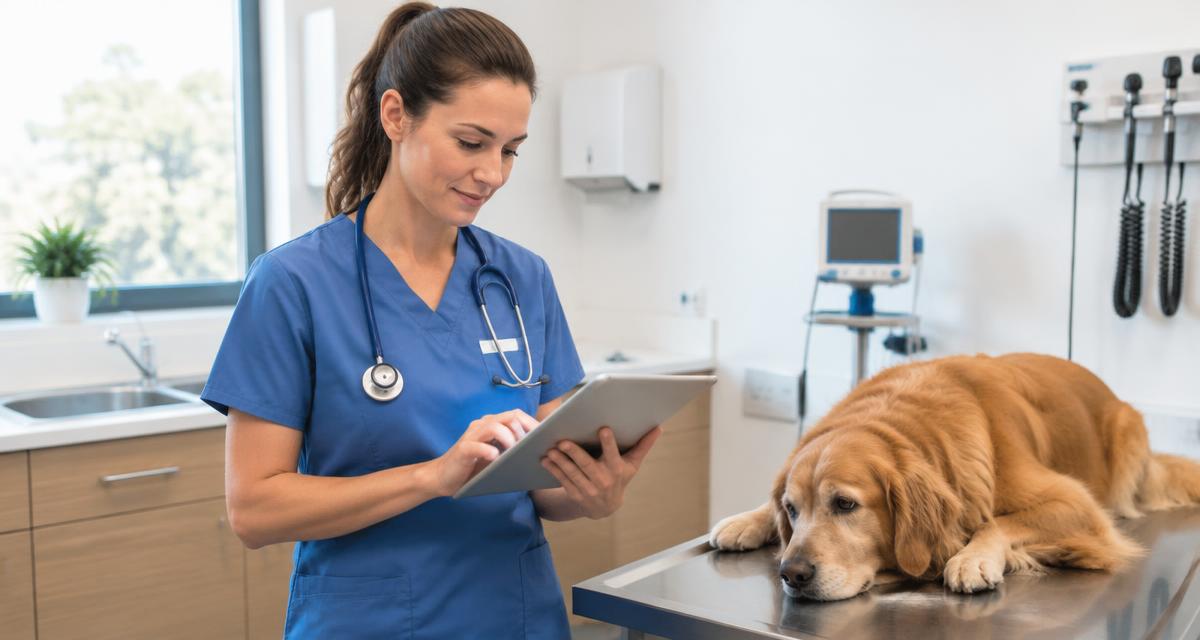 Platform
Real-Time Chat With Your Radiologist
A question about a study belongs on the study, not in a voicemail queue.
Read article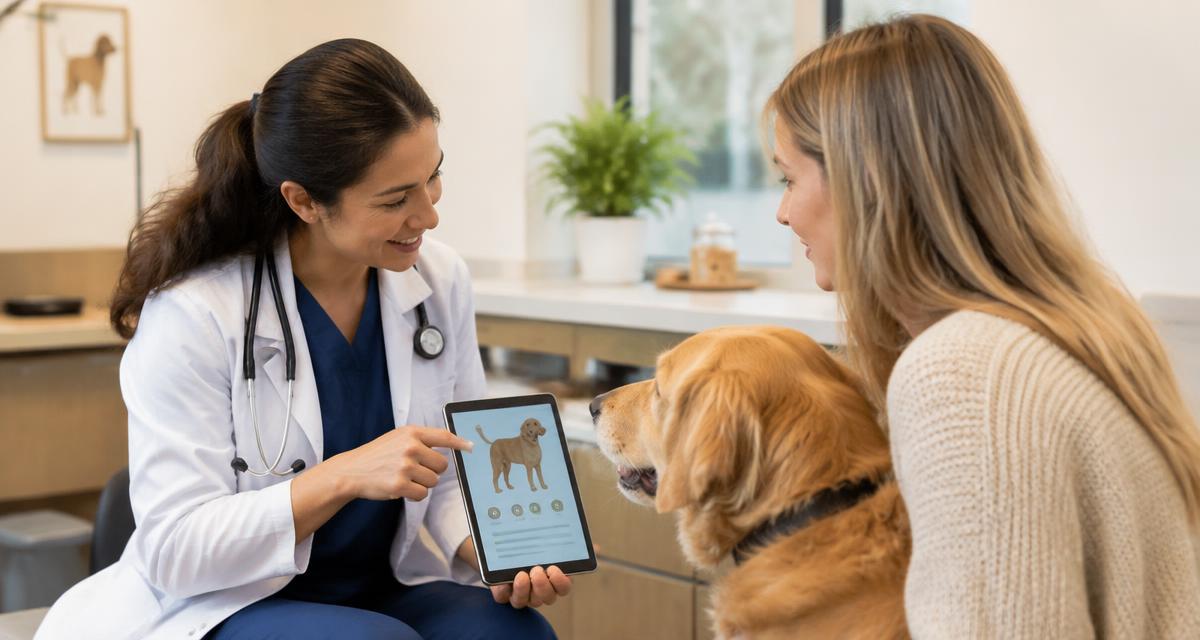 Reports
Video in the Radiology Report
Some findings are quicker to show than to describe.
Read article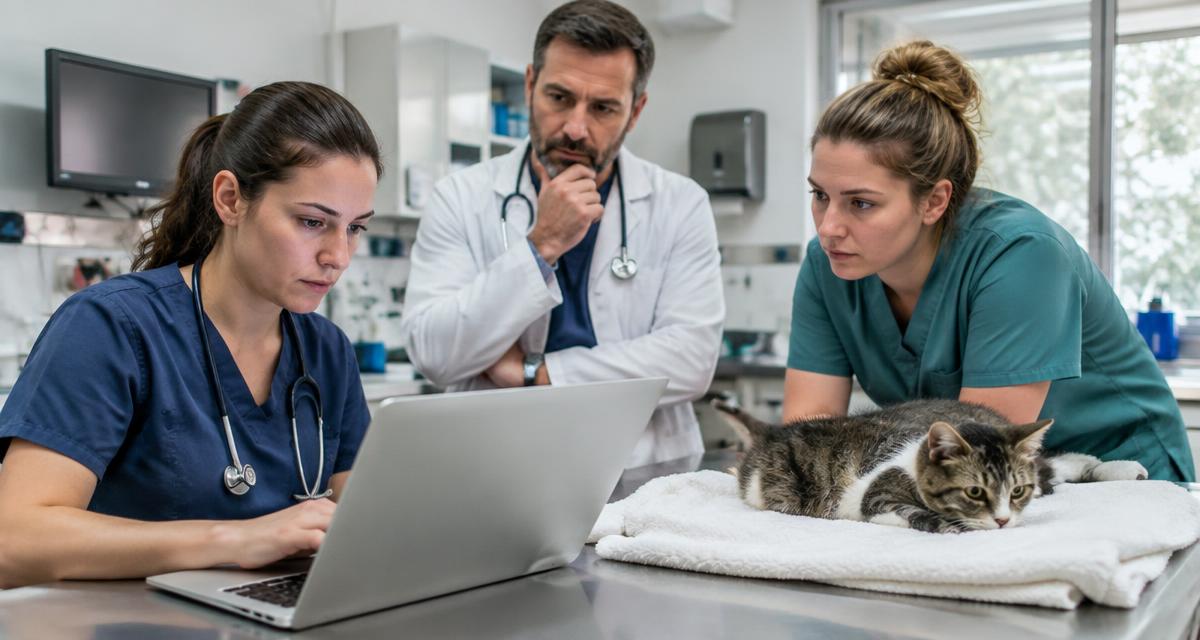 Platform
The Wet Read at RadsForVets
Targeted questions, specifically addressed, with the comprehensive report still to follow.
Read article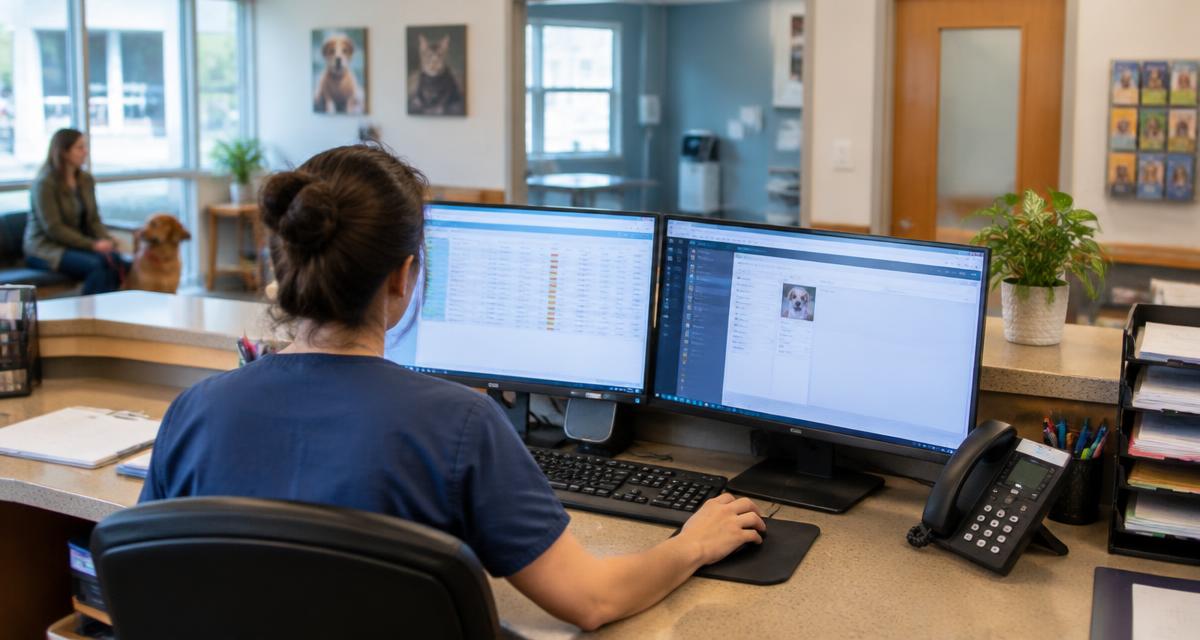 Platform
Reports That Land in the Matching Order
The report belongs with its imaging order in your PIMS, not in an inbox.
Read article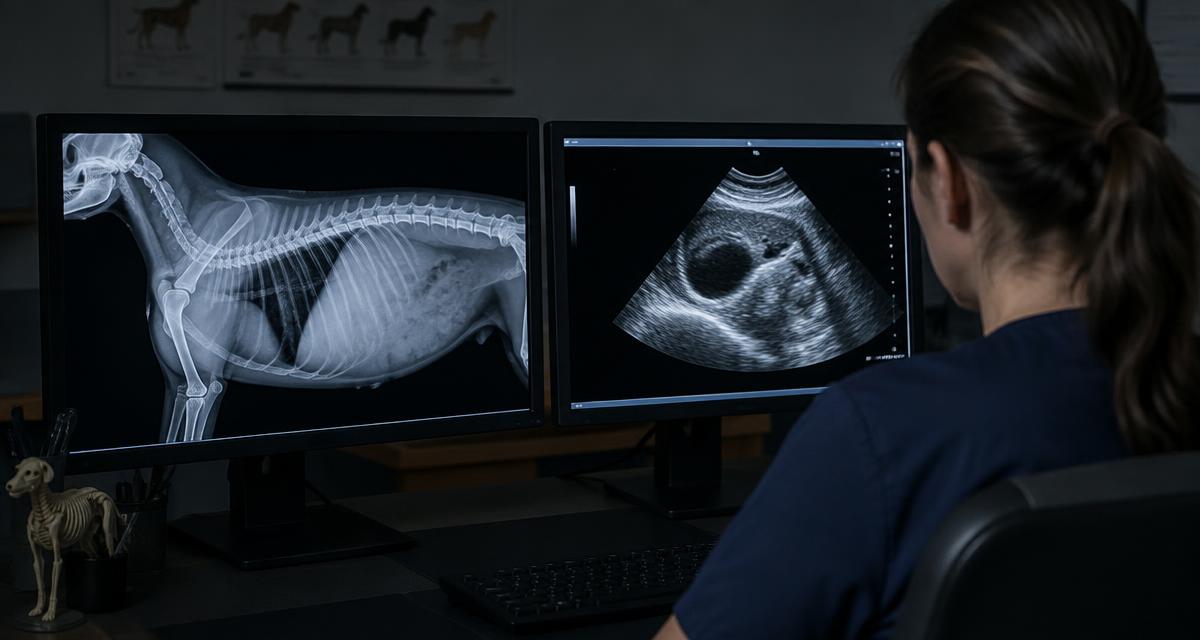 Standards
Certification on Every Single Case
Certification matters most on the case nobody flagged as important.
Read article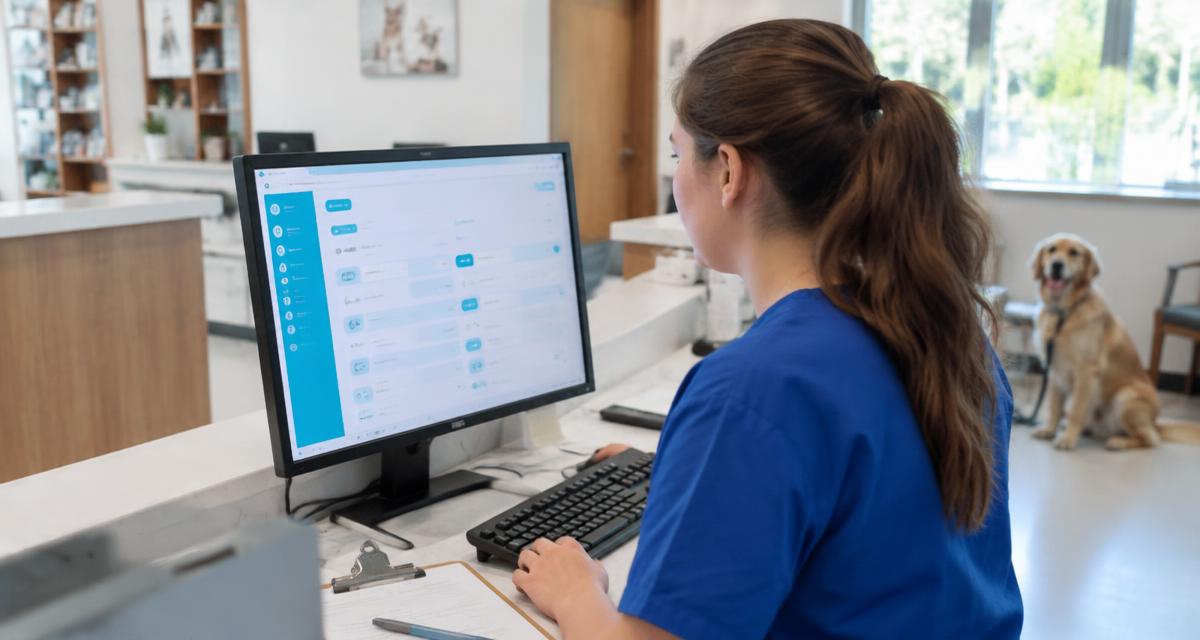 Workflow
A Submission Framework for Mixed Caseloads
Three priorities only help if the team applies them the same way every shift.
Read article Standards
How 24/7/365 Coverage Is Staffed
Continuous coverage is a staffing design, not a promise made after hours.
Read article Standards
The myBalto Commitment
A percentage of each interpretation fee supports an angel fund for the participating clinic.
Read article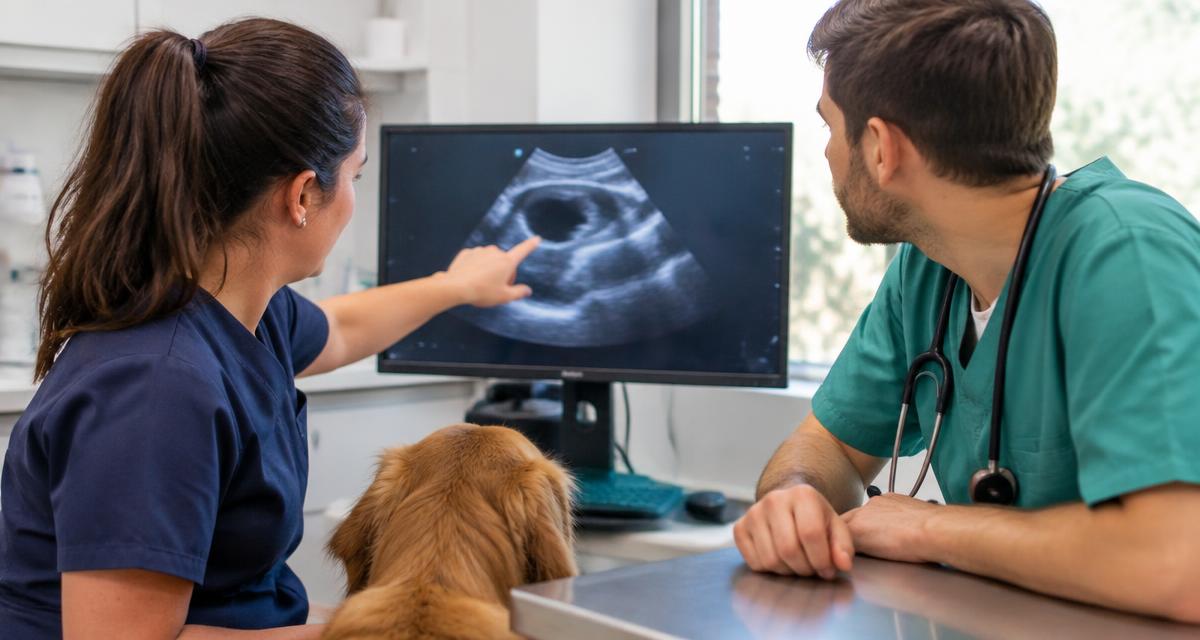 Standards
The Reporting Philosophy Behind RadsForVets
A read is the start of a conversation, not the end of a transaction.
Read article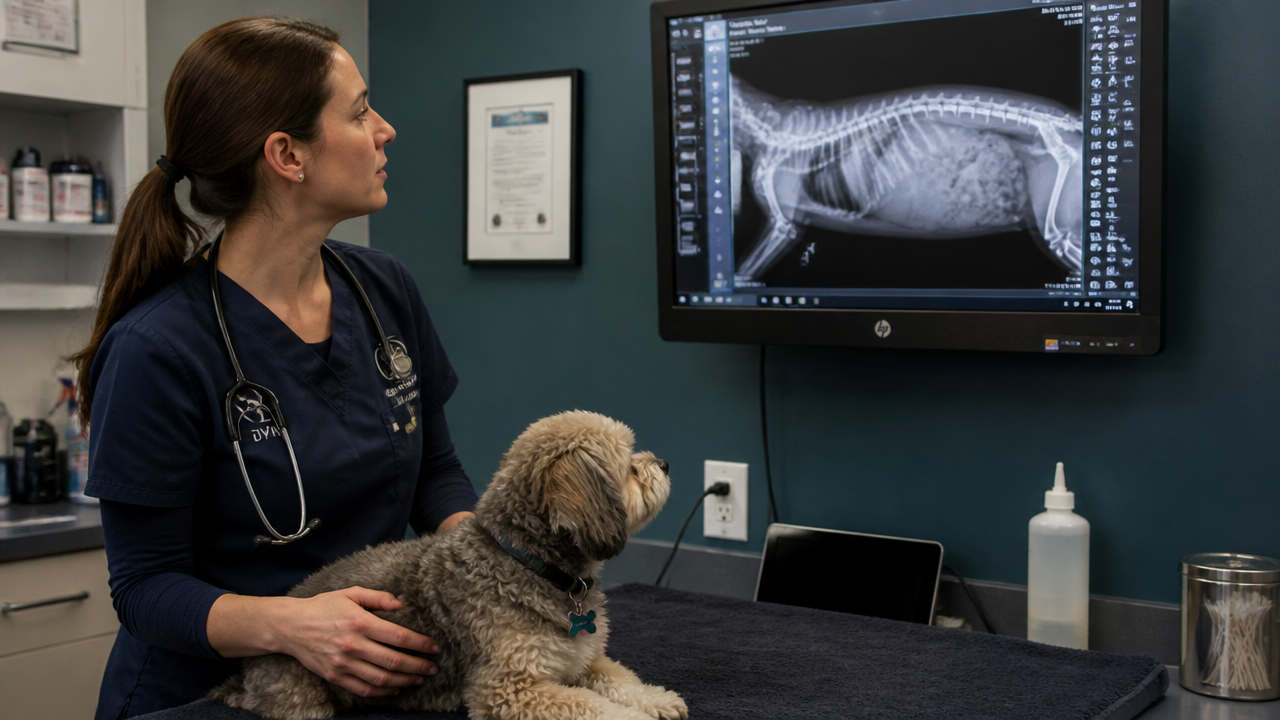 Priorities
What Is a Wet Read in Veterinary Radiology?
An old film-room term, back in use for a current problem: the moment a vet needs an answer before the next step.
Read article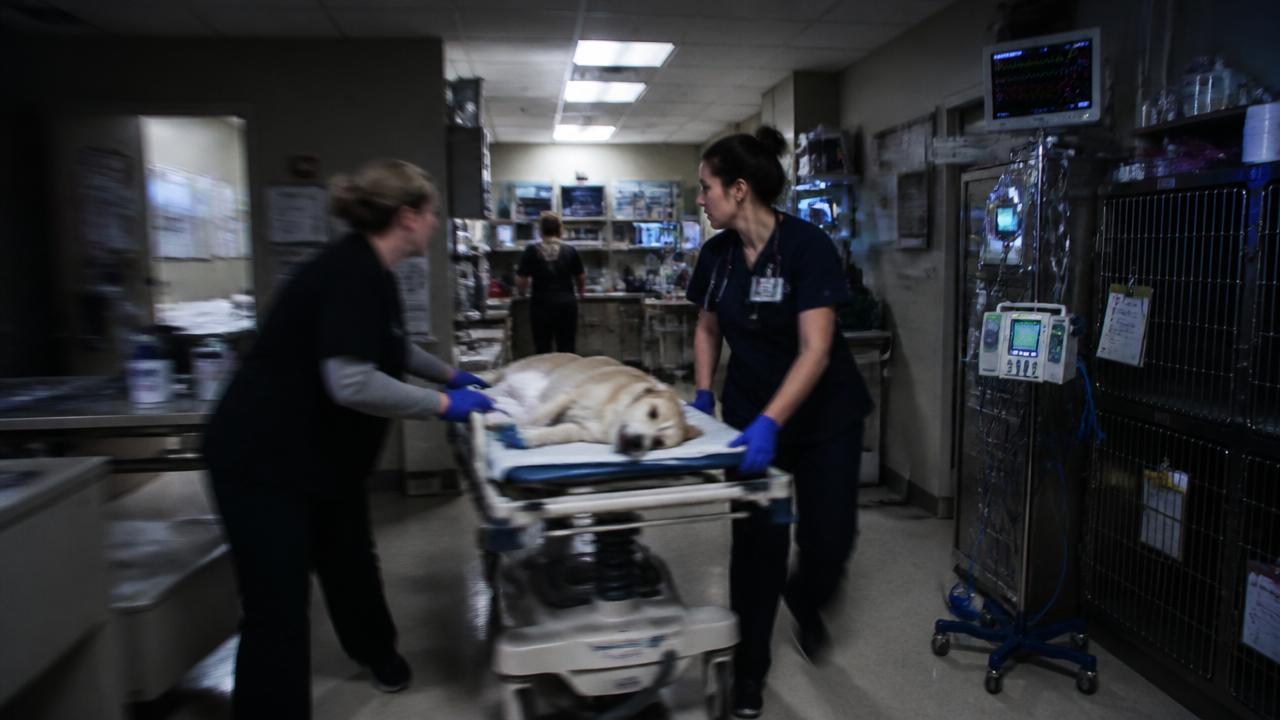 Emergency
3 Cases Where a Wet Read Changes the Plan
Foreign body, GDV, trauma triage: three moments where the read has to arrive while the decision is still open.
Read article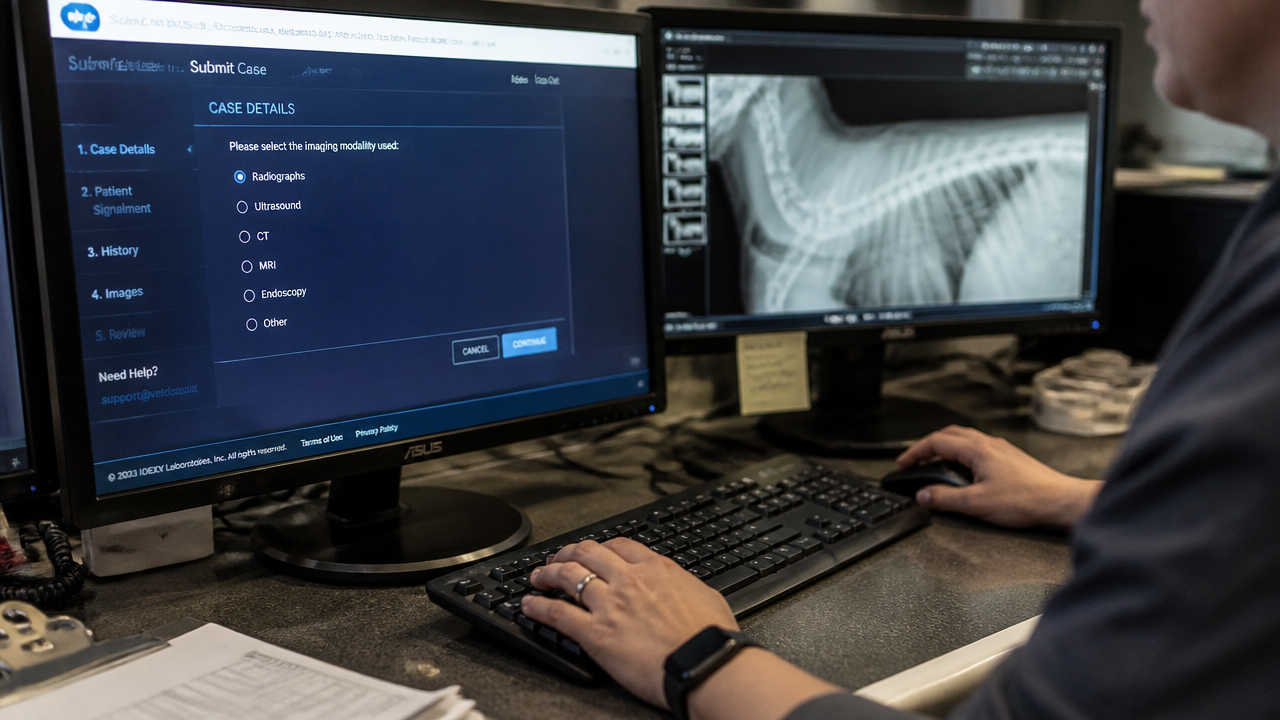 Workflow
Choosing the Right Priority for Every Case
One question sorts almost every case: what is your team doing while the study is out for a read?
Read article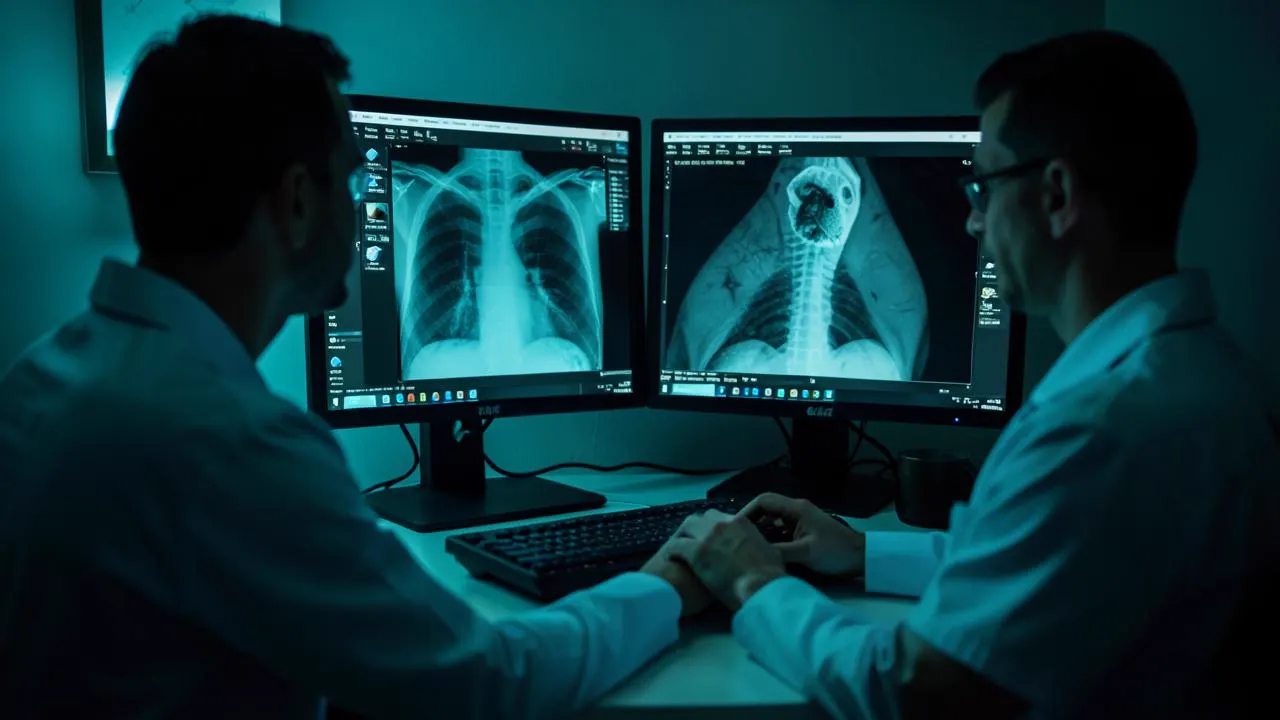 Choosing a Provider
Veterinary Teleradiology vs AI Screening
Both get marketed with similar language. Only one puts a board-certified radiologist on every case you submit.
Read article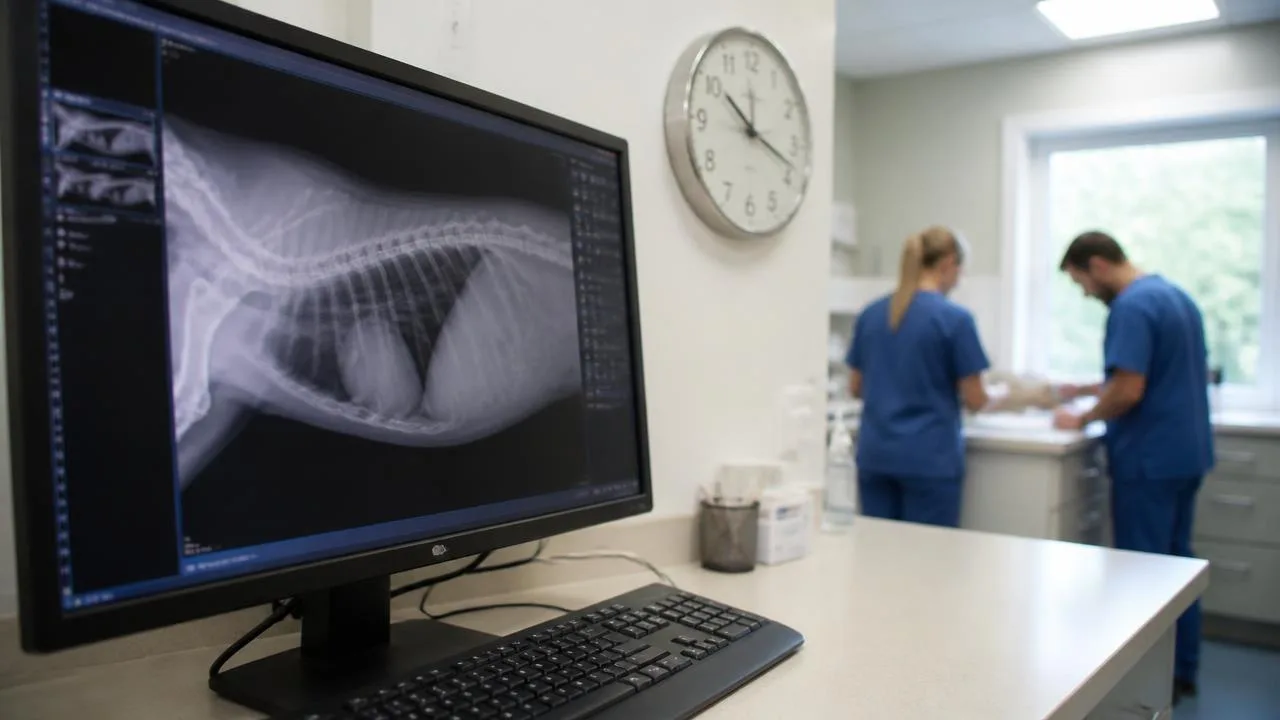 Turnaround
How Fast Should a Teleradiology Report Be?
Every provider leads with turnaround. Compare the same modality, in writing, before you decide what fast really means.
Read article Practice Operations
Questions to Ask About Onboarding
A login and a welcome email is not onboarding. Here is what Week One should actually look like.
Read article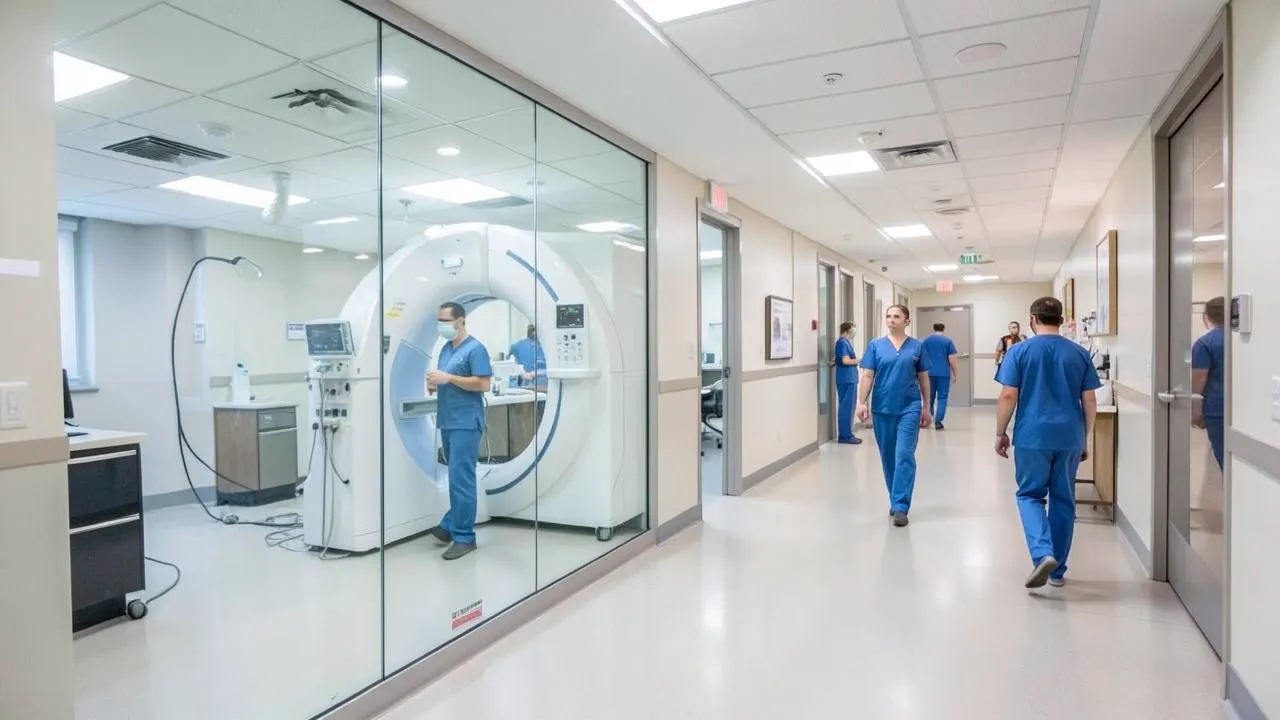 Practice Operations
Specialty Hospitals vs. General Practice
Referral hospitals already have imaging. What they buy from teleradiology is coverage, perspective, and depth on complex cases.
Read article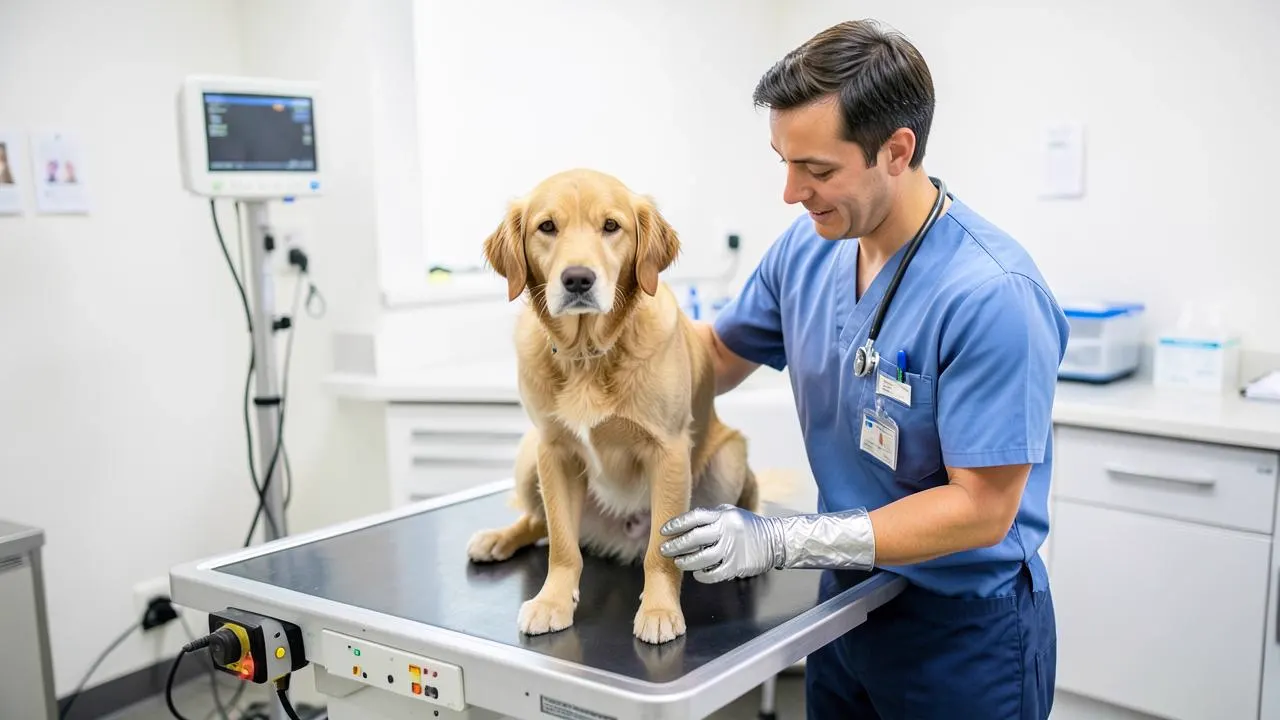 Workflow
Prepping Diagnostic Images: A Tech Guide
A few extra minutes at capture saves your whole team time while waiting on a report.
Read article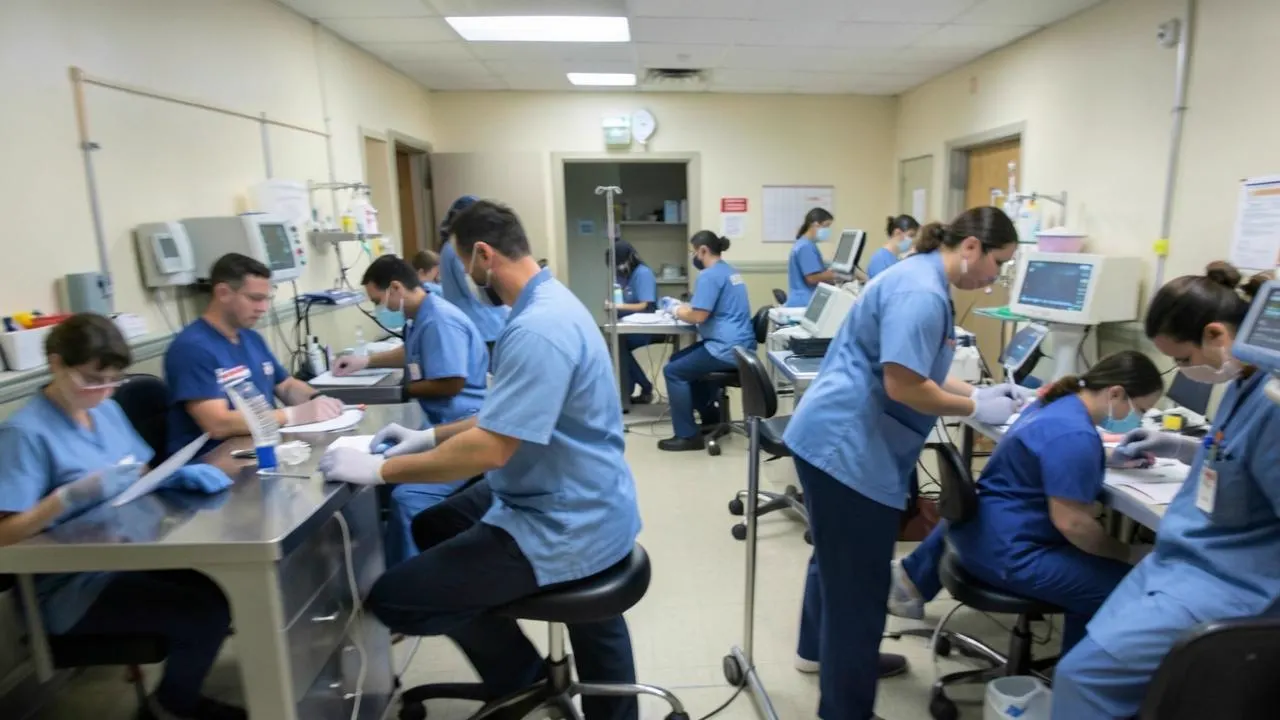 Emergency Care
Surge Capacity in a Multi-Patient Event
One STAT case is an interruption. Three in the same hour is a different problem entirely.
Read article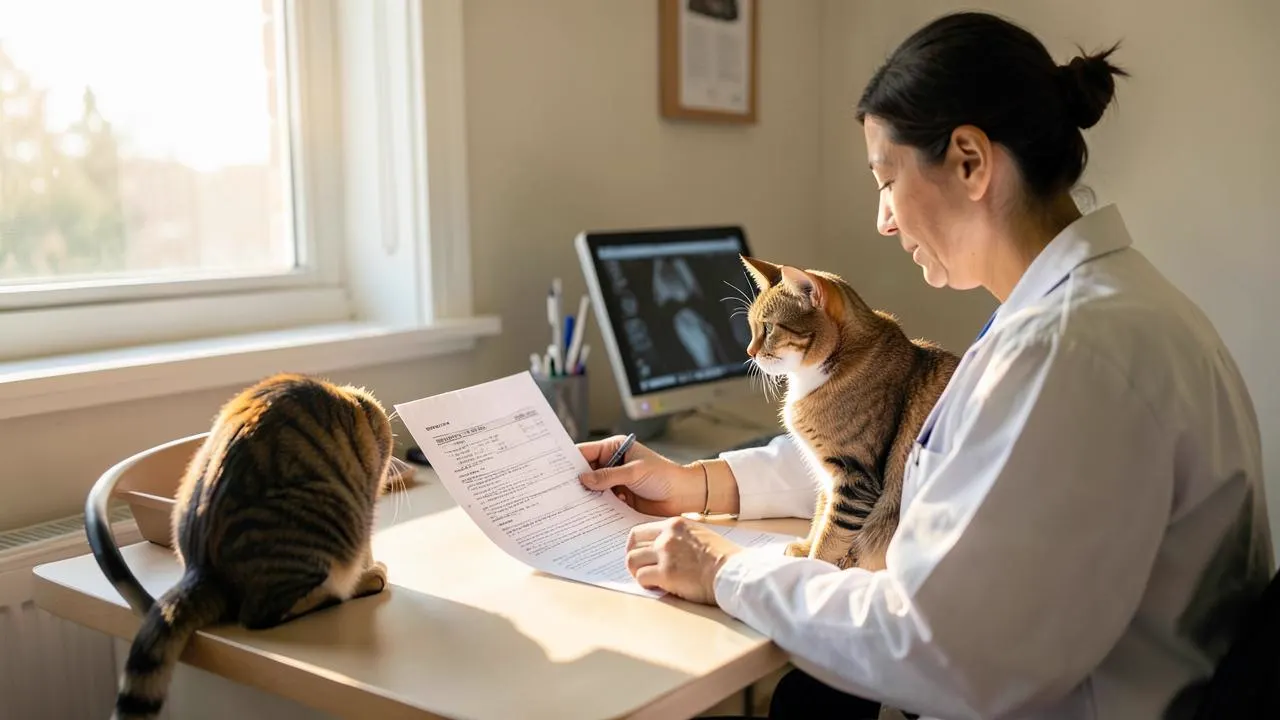 Workflow
Using Your Teleradiology Report
Most advice stops at submission. The diagnostic value shows up in what happens after the report lands.
Read article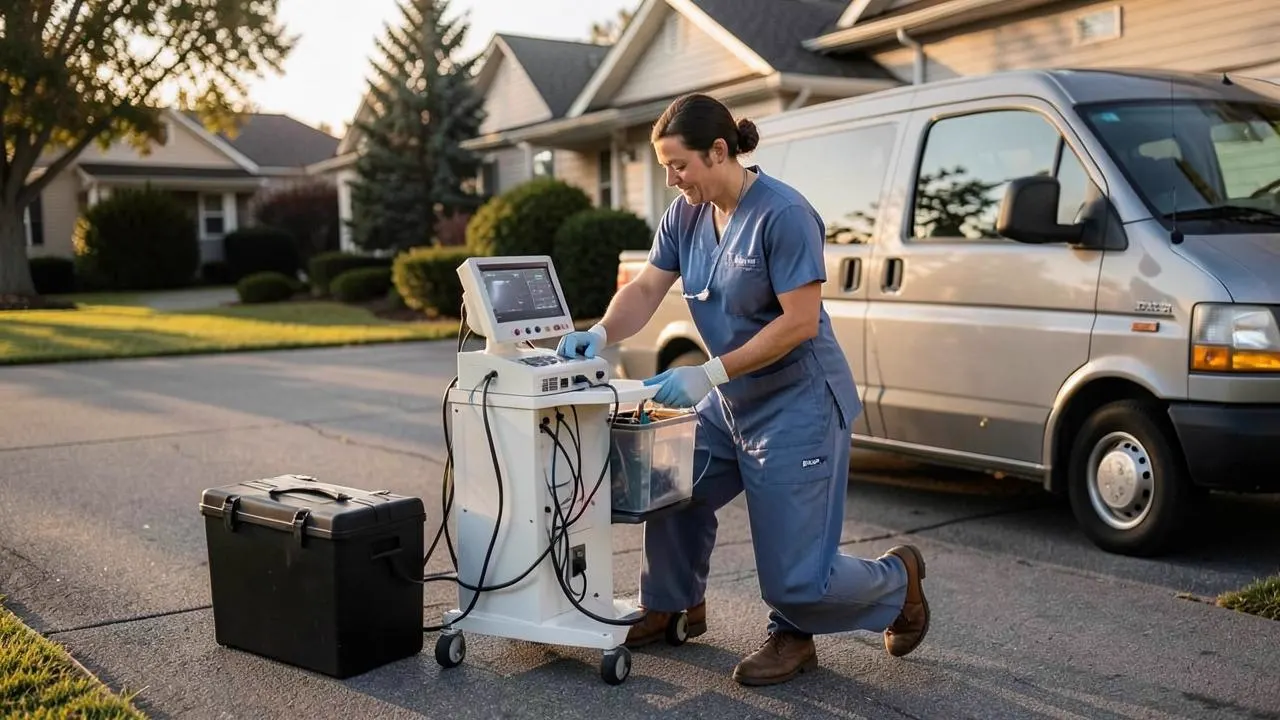 Practice Operations
Teleradiology for Mobile and House-Call Vets
The service works the same on the road. The operating environment is what changes.
Read article Choosing a Provider
Judging a Provider by Their Sample Reports
Before you sign with anyone, ask for a sample report. It says more than a pricing page ever will.
Read article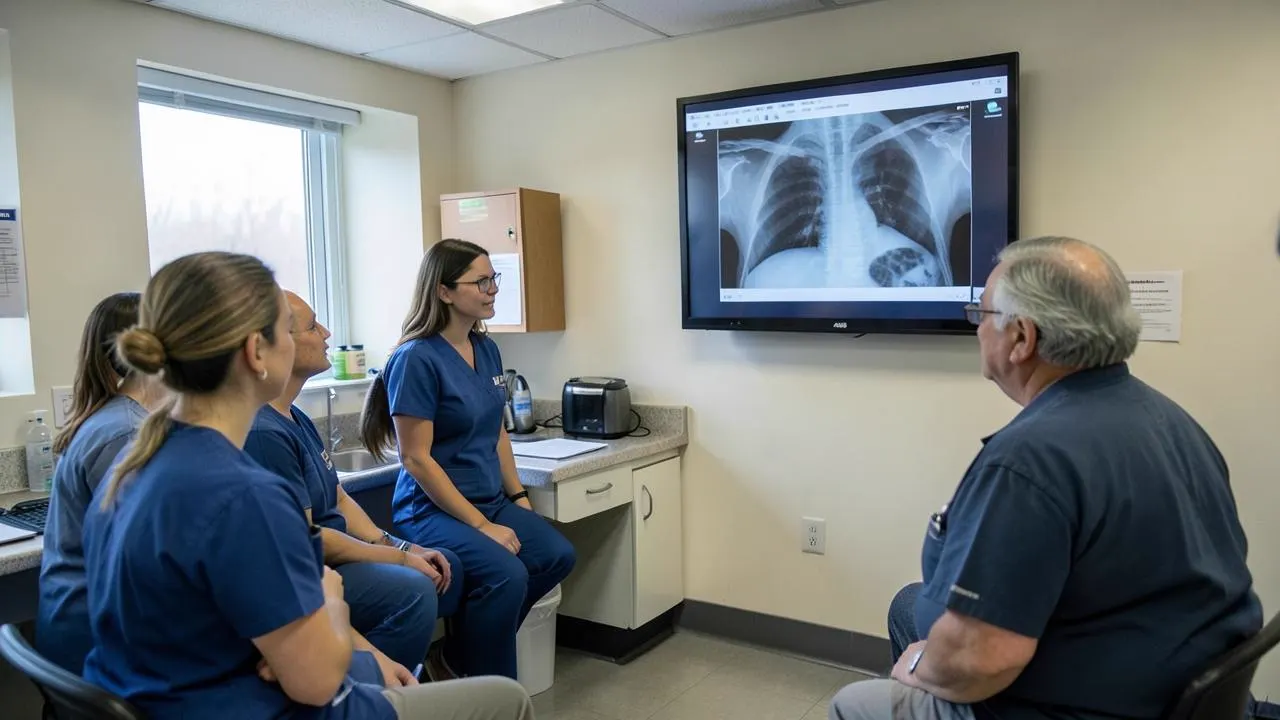 Practice Operations
Teleradiology Reports as a Teaching Tool
Read the diagnosis, treat the patient, move on. Those old reports can do more than that.
Read article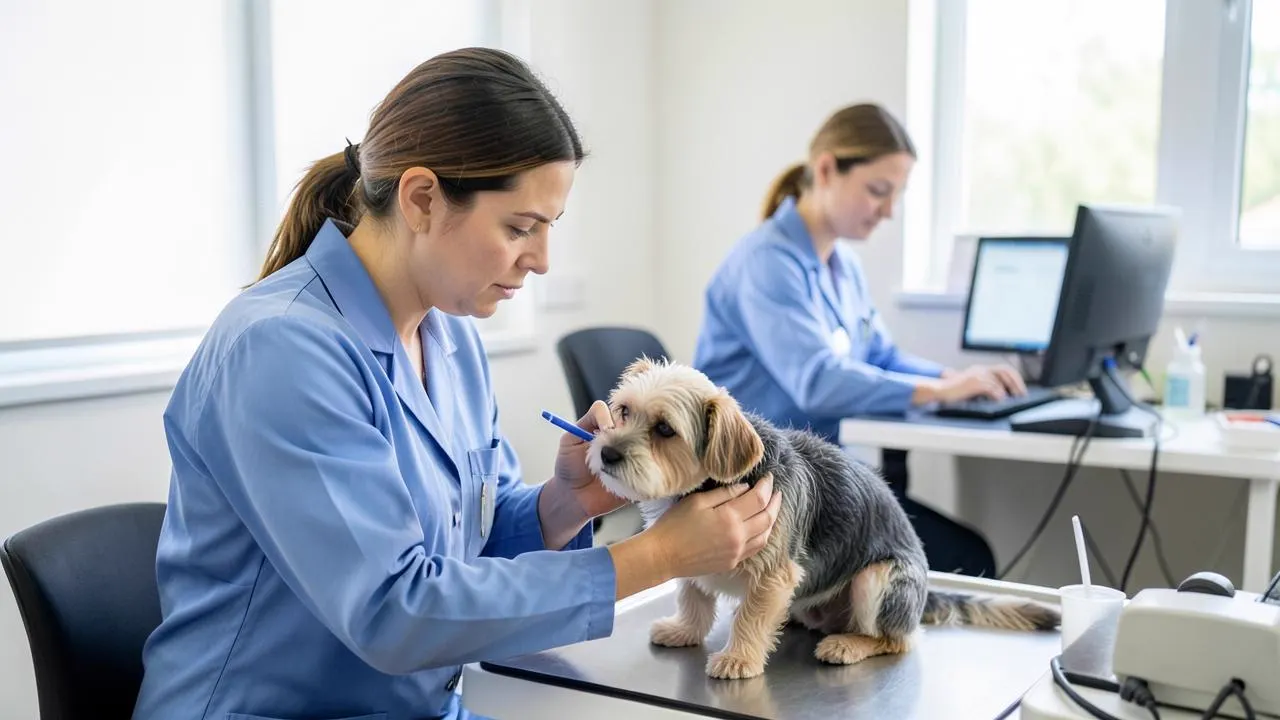 Workflow
How Teleradiology Fits Your Workflow
Your team still owns the case. Teleradiology covers the one part most practices can't cover in-house.
Read article Practice Operations
Tracking Teleradiology ROI Over Time
A signup calculation is a snapshot. Ongoing tracking tells you whether the setup still fits.
Read article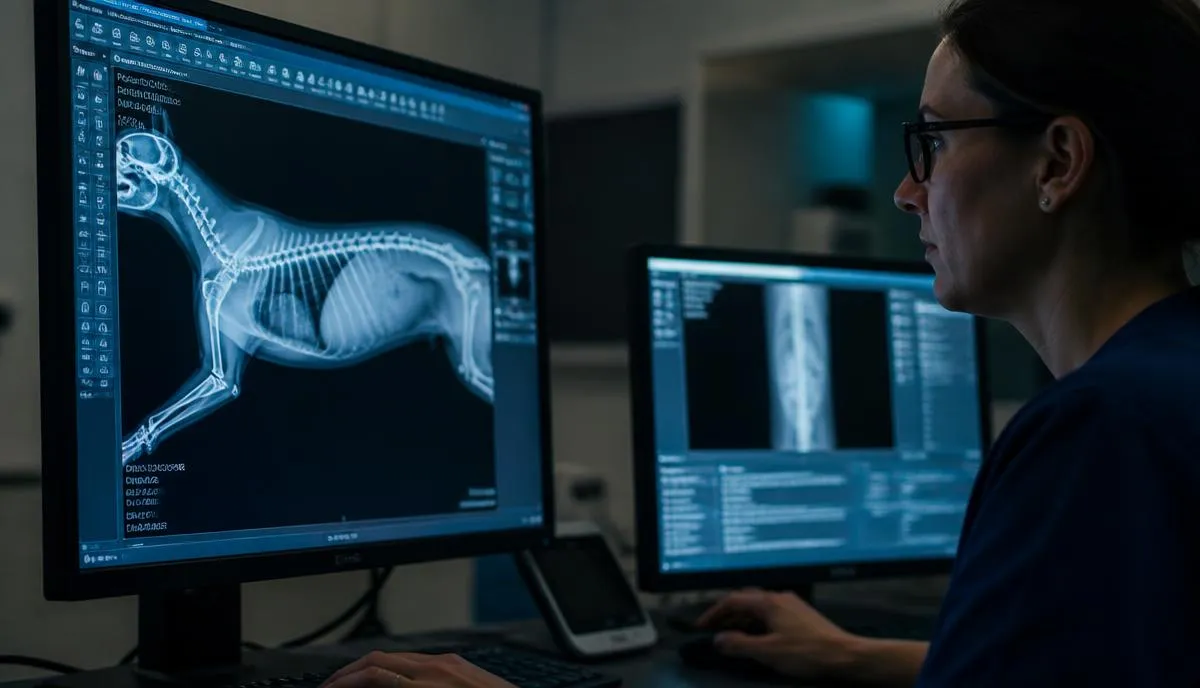 Practice Operations
What Board Certification Means for a Radiologist
Almost every provider will say it employs board-certified radiologists. The real question is whether every study gets read by one.
Read article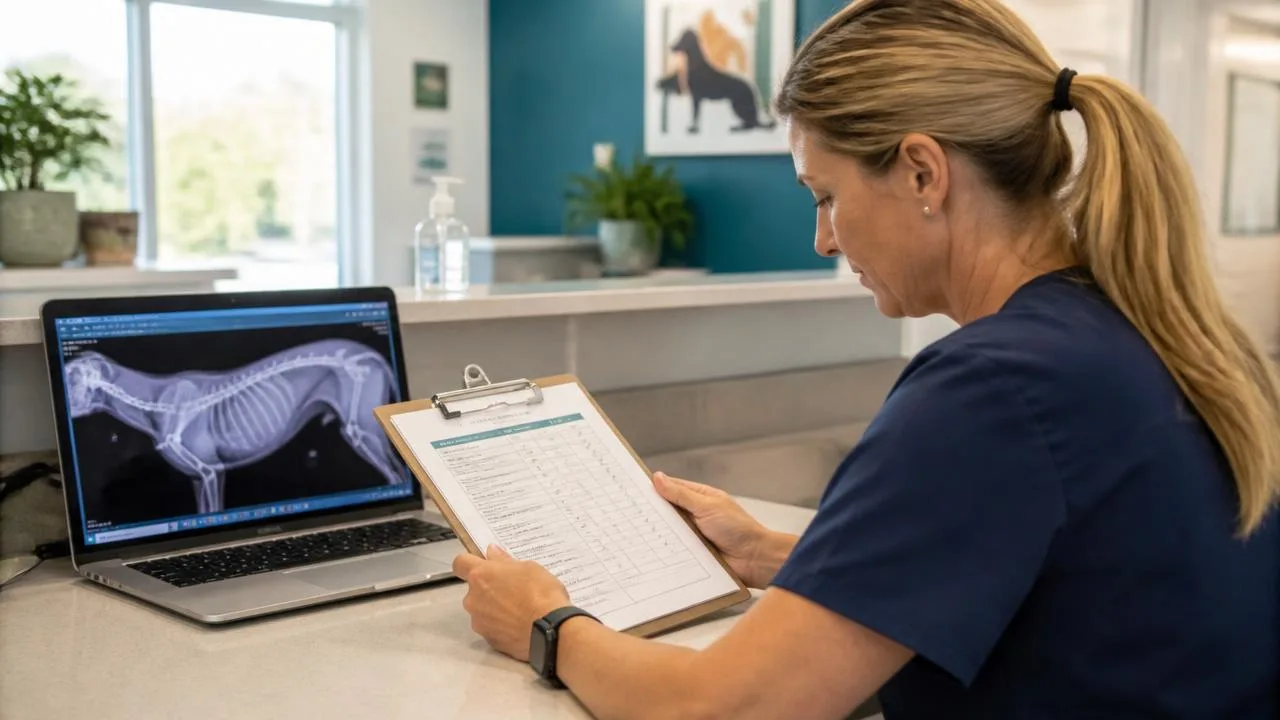 Guides
How to Pick a Veterinary Imaging Service: Provider Guide
A practice manager's checklist for comparing veterinary imaging services, from STAT turnaround by modality to who is actually reading the case.
Read article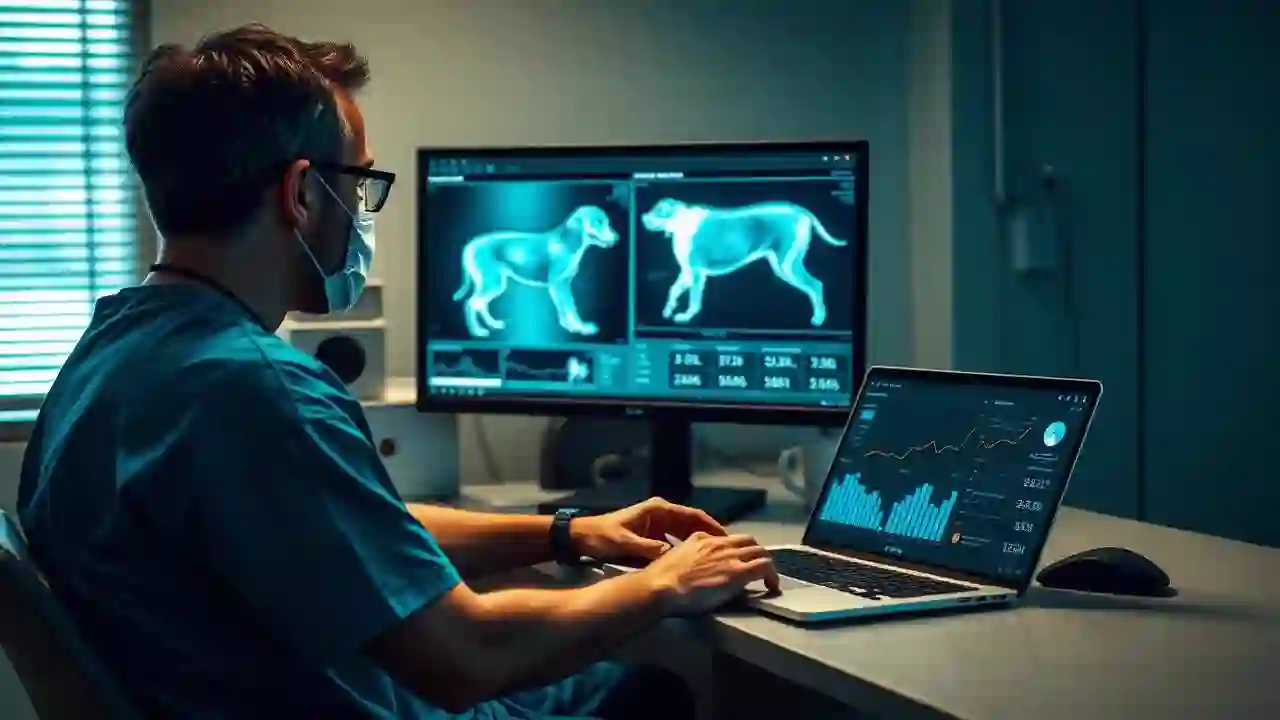 Practice Operations
Calculating the True ROI of Veterinary Teleradiology
A practical guide to measuring the financial return of veterinary teleradiology through kept referrals, recovered staff hours, and fewer missed diagnoses.
Read article Emergency
Inside a STAT Veterinary Radiology Case: What Happens in the First Hour
An emergency case does not become urgent when someone ticks STAT. It becomes urgent at 23:10, when a dog with acute abdominal signs is on the table and surgery is waiting on an answer.
Read article Consultation
5 Questions to Ask Before Your First Veterinary Radiologist Consultation
A first specialist consultation is easier to judge when you know which five questions actually separate providers, and which ones only sound important.
Read article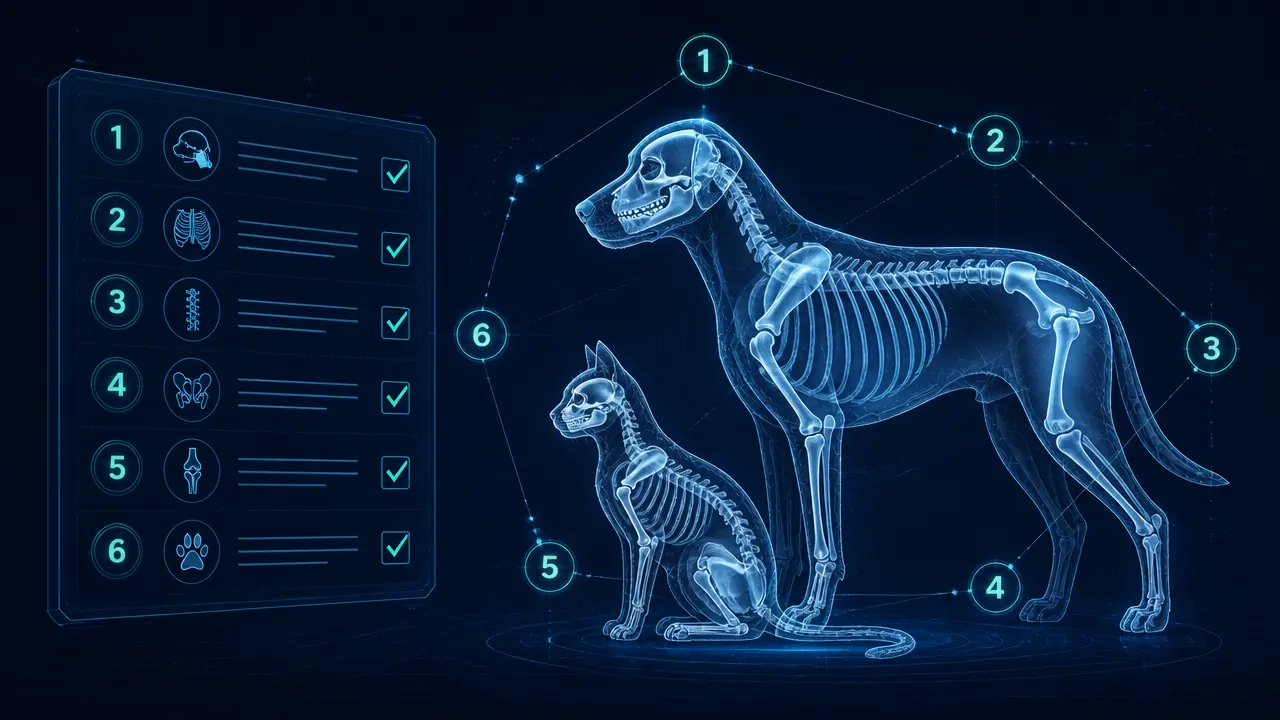 Practice Operations
6 Signs Your Practice Is Ready for Veterinary Teleradiology
Veterinary teleradiology is usually adopted after the same operational patterns repeat for a few months. Here are six signs a practice can score against its own last quarter.
Read article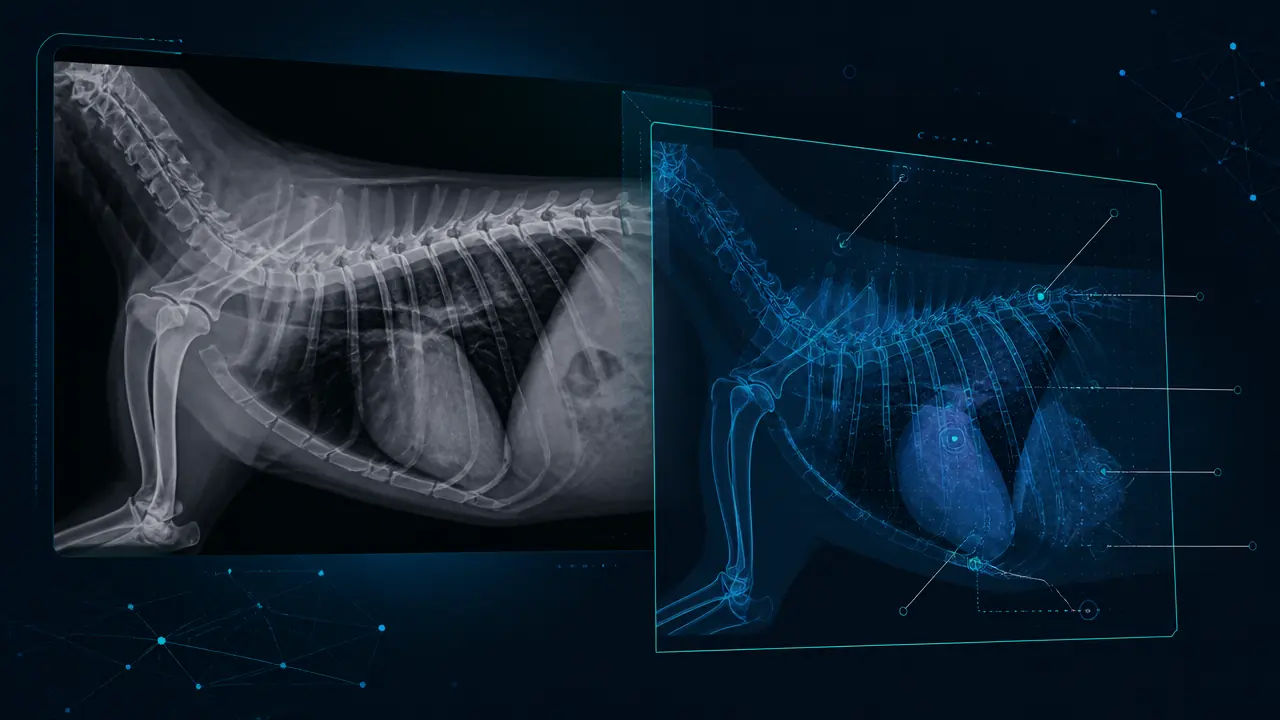 Consultation
What a Veterinary Radiologist Consultation Actually Covers
A board-certified veterinary radiologist consultation is more than a document. Here is what it includes, when it changes a case, and how a general practice uses one.
Read article Platform
The Step Before the Read That Quietly Sets Your Turnaround
When a report feels slow, the reading is the part everyone looks at. The measurable delay usually sits earlier, in how the study left the building.
Read article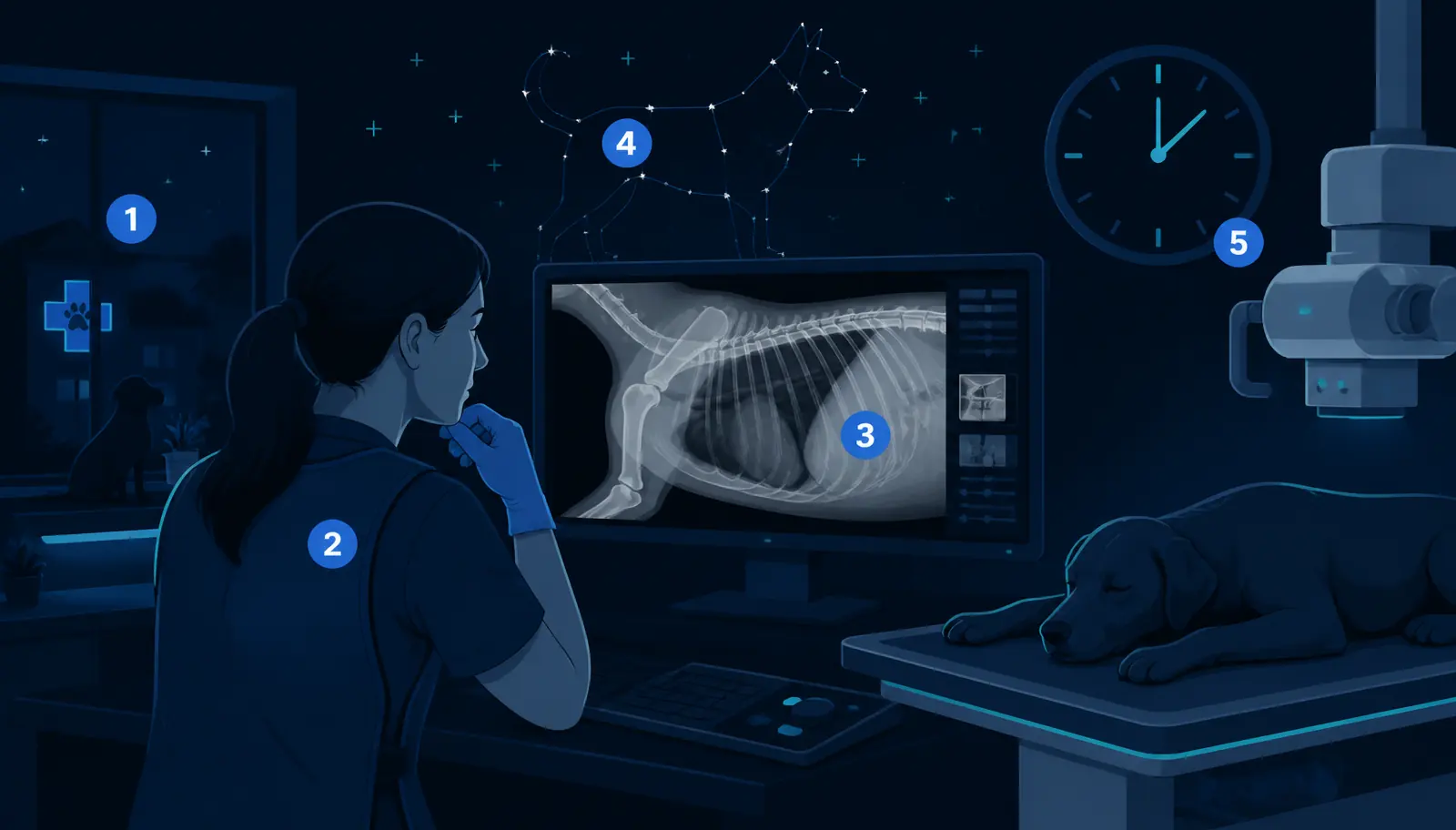 Emergency
5 Signs Your Clinic Needs a STAT Veterinary Radiology Partner
Most practices do not decide to change their vet radiology arrangement after a disaster. They notice the same five operational signals repeating, quietly, for months.
Read article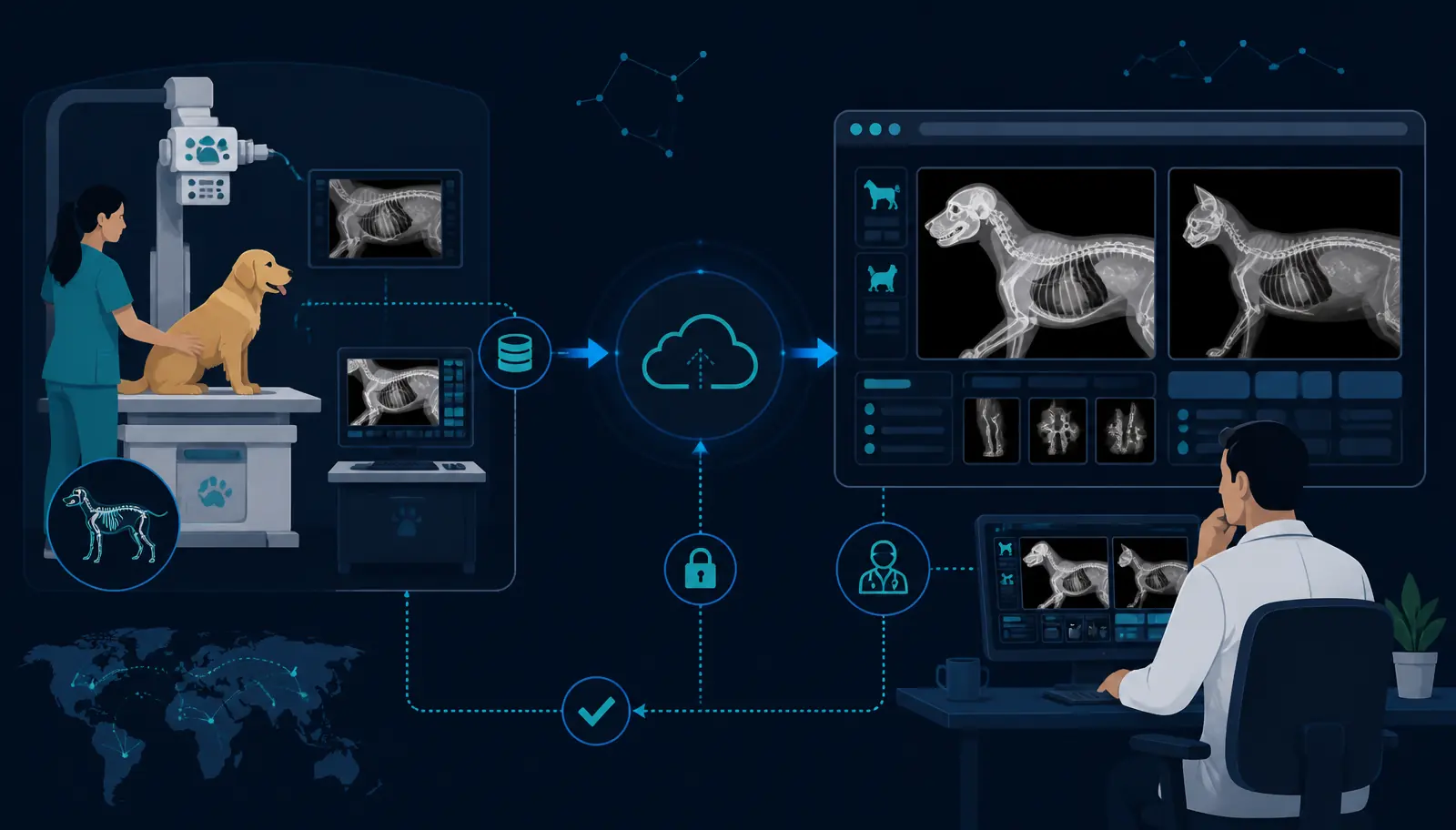 Workflow
How a Veterinary Imaging Case Travels From Table to Report
Follow one composite emergency case through veterinary imaging: acquisition, submission, the board-certified read, and the report that lands back on the clinic floor.
Read article Consultation
Veterinary Radiologist Consultations: A Practical Guide
A radiologist consultation is most valuable before the patient is on the table, not after the report lands. Here is what to ask and when to ask it.
Read article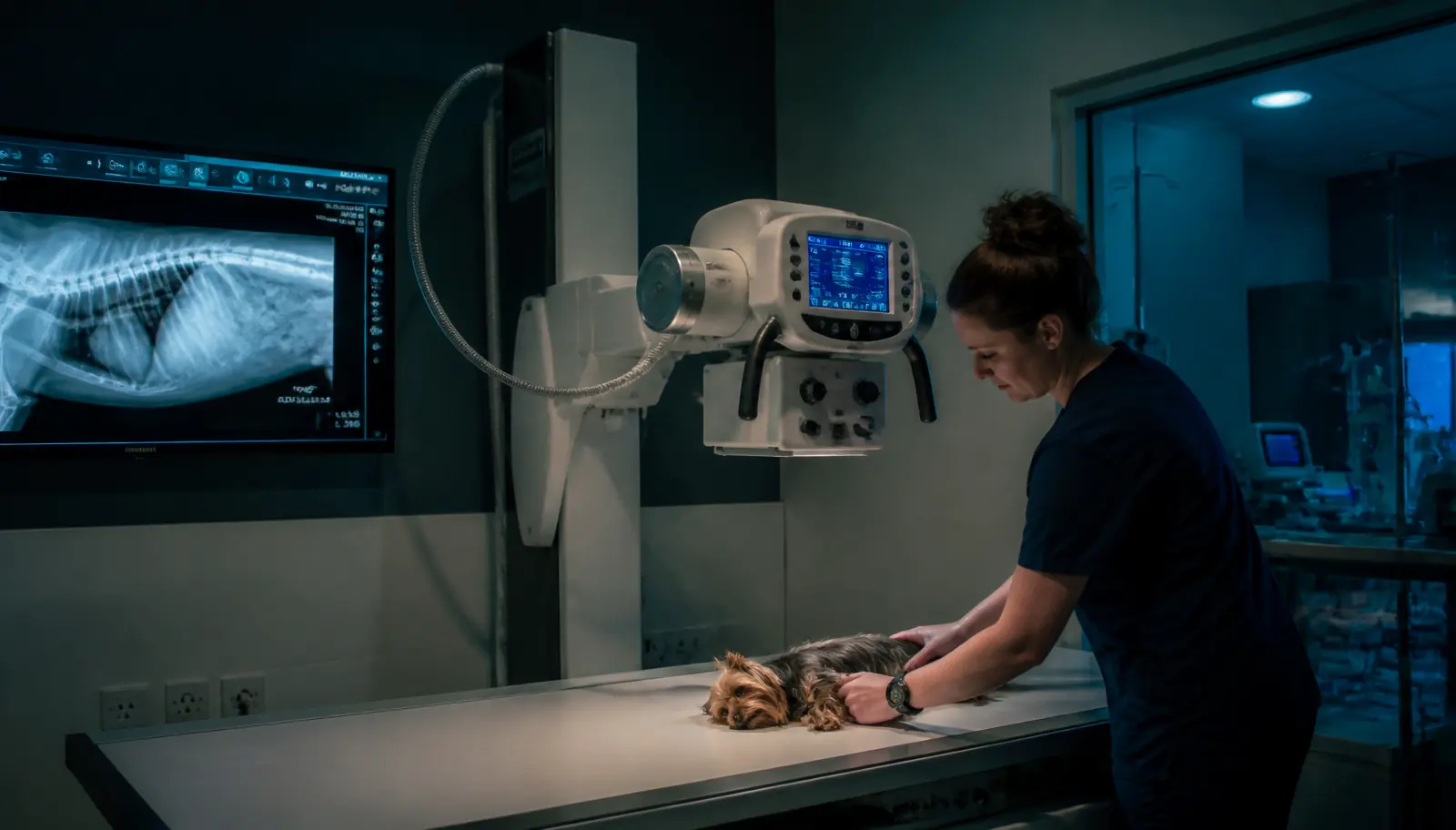 Turnaround
The 1-Hour Vet Radiology Read: What “STAT” Really Means (and What It Doesn’t)
STAT turnaround is not one number, it depends on modality: an hour for radiographs, within four hours for CT, ultrasound and MR, and 24 hours for routine work.
Read article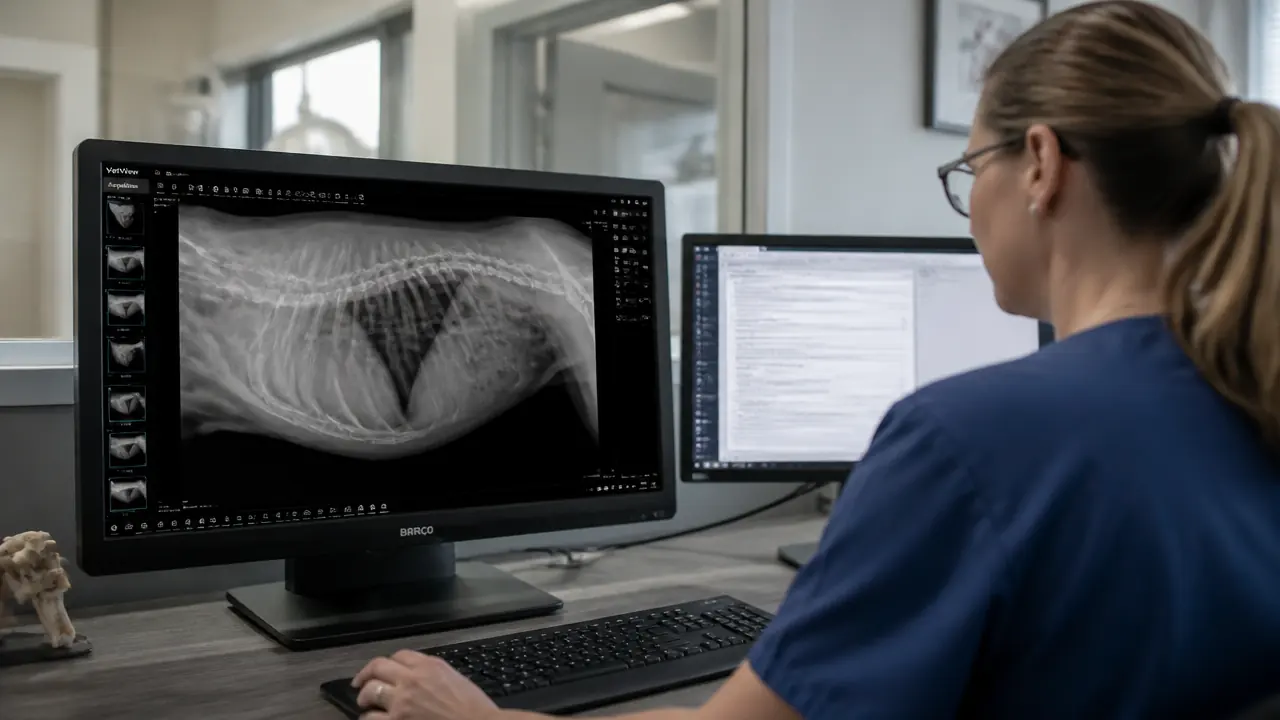 Services
Veterinary Radiology Services: What the First Case Actually Looks Like
Here is what the first case actually feels like: what is inside the per-study fee, what your team has to do, and where delay comes from when there is any.
Read article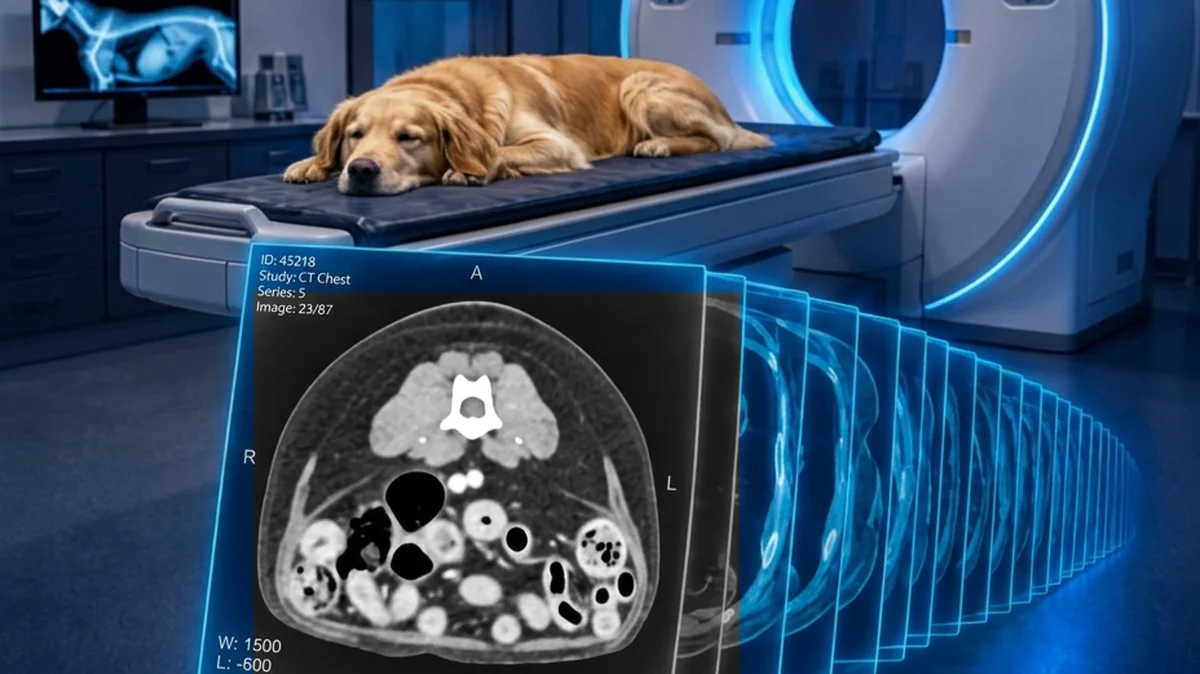 Industry Shift
The Growing Importance of Veterinary Teleradiology in Your Practice
A decade ago teleradiology was a favour called in for a hard case at midnight. Now it is how most practices staff the imaging they already own. Here is why the shift happened.
Read article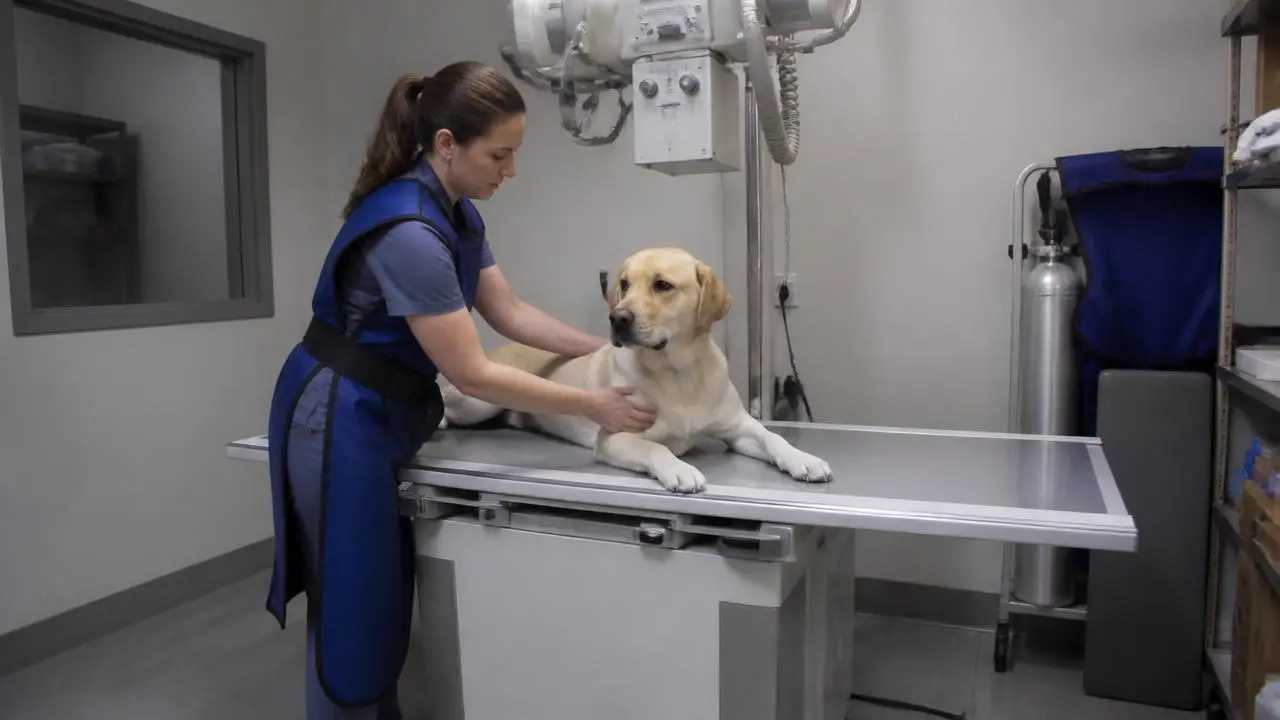 Workflow
How Veterinary Teleradiology Is Making a Difference in Vet Clinics
Teleradiology is usually described in minutes. What it actually changes is who talks to whom, when a case moves, and what the client hears. Here is that day, hour by hour.
Read article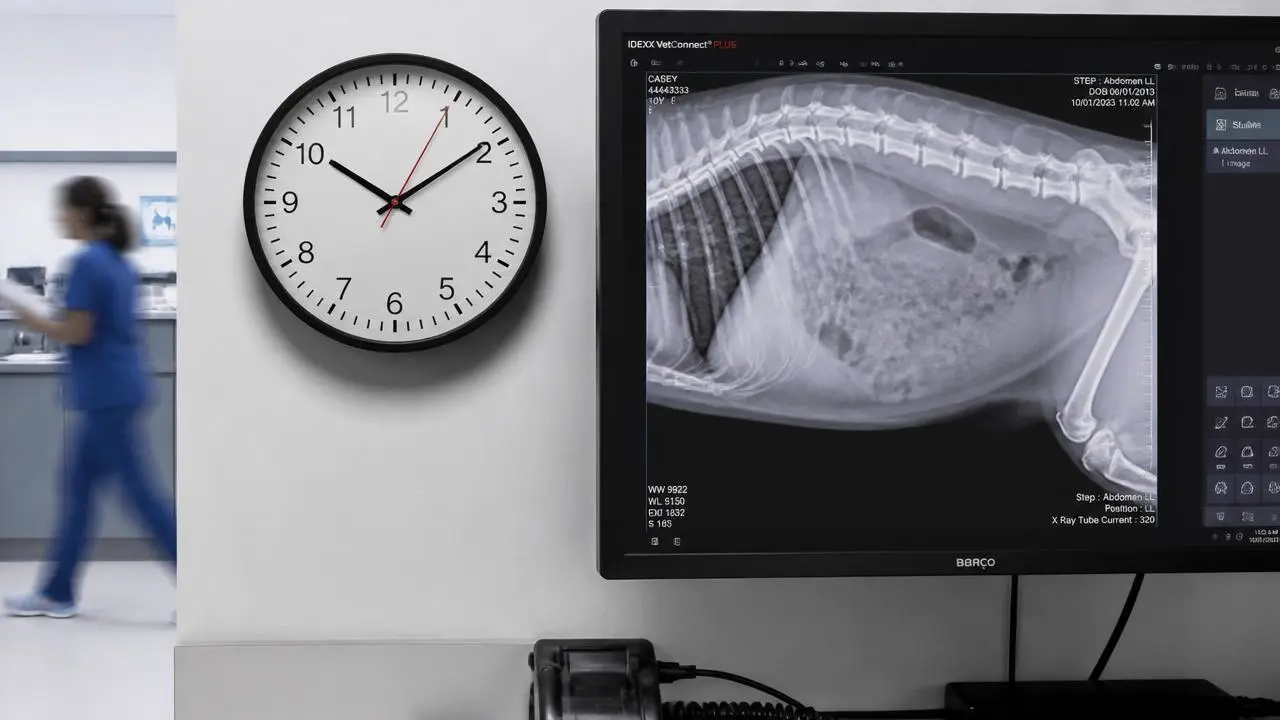 Practice Operations
Veterinary Radiology Turnaround vs Accuracy: Auditing Speed Without Losing Quality
Speed and accuracy are both built, not chosen. Here is where that tension shows up in a report, what turnaround numbers actually mean, and how to audit a provider in one afternoon.
Read article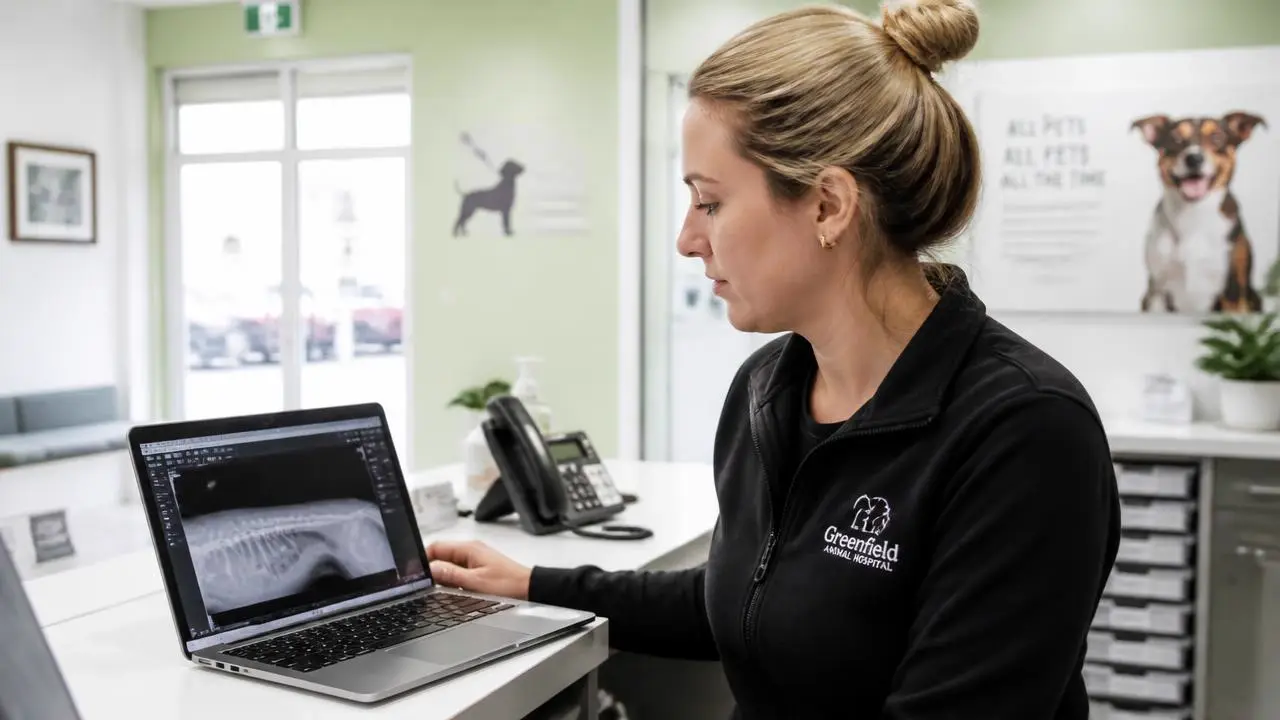 Practice Operations
Outsourcing Veterinary Radiology: What to Know First
Outsourcing veterinary radiology is a decision worth evaluating on a few specific points. Here is what actually separates providers before you commit to one.
Read articleTalk to a radiologist
A case you want a second set of eyes on?
Board-certified veterinary radiologists, 1 hour STAT X-ray, 24 hour routine, every day of the year. No contracts, no minimums.
