
Quick Summary
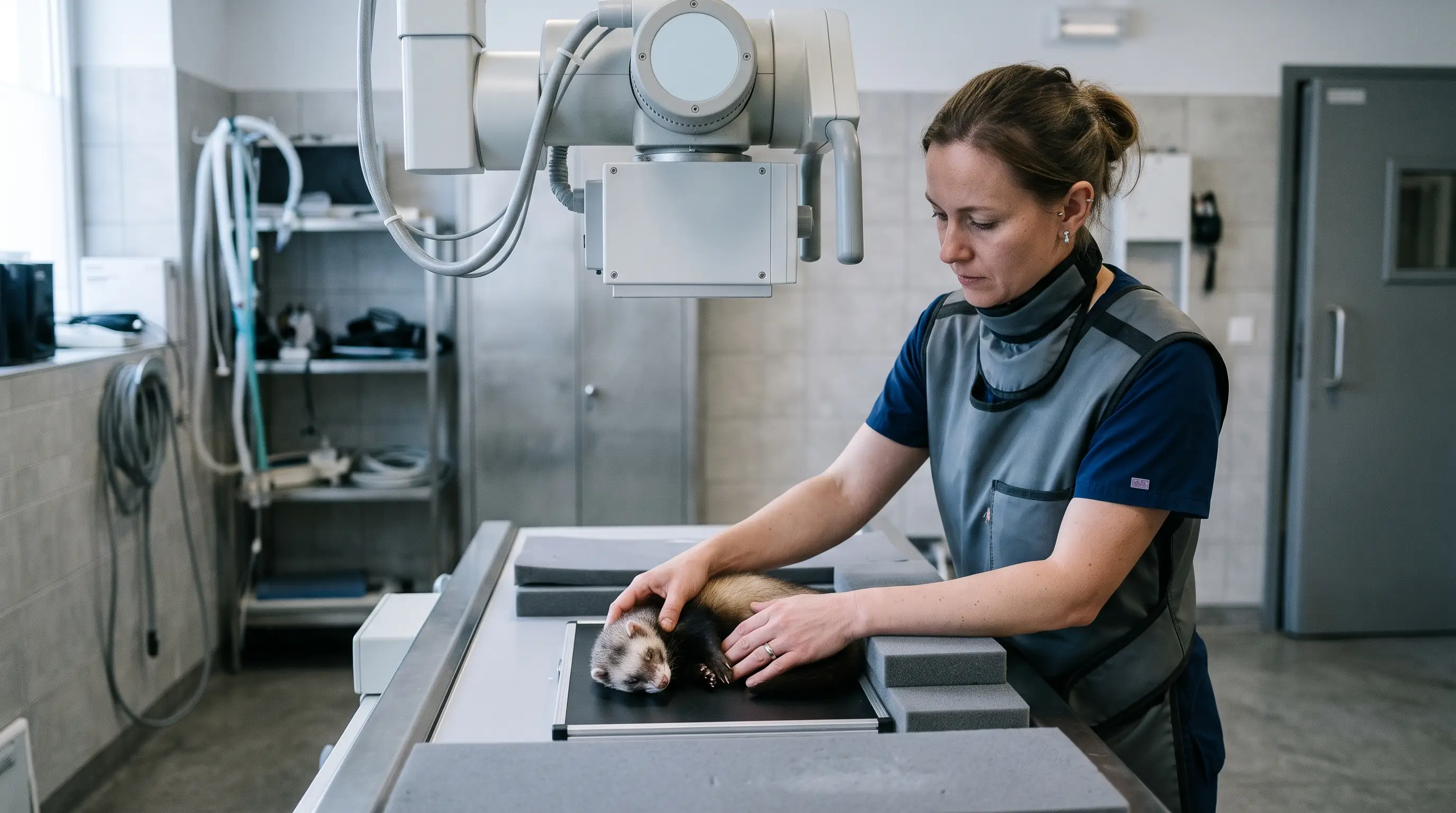
Exotic patients reach an emergency hospital with less margin than dogs and cats, so the imaging plan matters before the first exposure. Send complete orthogonal views, a focused clinical question and the details that change interpretation, and expect a board-certified read on a 24-hour best-effort basis.
- Include the entire patient in orthogonal views, with the area of concern collimated only as an addition.
- Send species, weight, age, presenting signs and the one question the image needs to answer.
- Exotic patients are read on a 24-hour best-effort basis by an ACVR or ECVDI board-certified diplomate.
- Use Real-Time Chat to reach the Operations Team about a critical patient while the read is pending.
- Plan interim care around the read time, not around an assumption of STAT turnaround.
Why Exotic Cases Need A Plan Before The Image Is Taken
An emergency shift sees a rabbit with gastrointestinal stasis, a ferret that swallowed something, or a bird that is fluffed and breathing hard. These patients tolerate restraint and repeat imaging poorly. The first set of images often has to answer the question.
That puts weight on what the hospital sends. A complete, well-positioned study with a precise question lets the radiologist commit to an answer. A partial study or a vague history forces a list of possibilities when the doctor needed a decision.
Scope
This post covers the submission side for exotic patients. For the full service picture, see the exotics species page, and for X-ray specifics see the X-ray modality page.
What To Send With Every Exotic Study
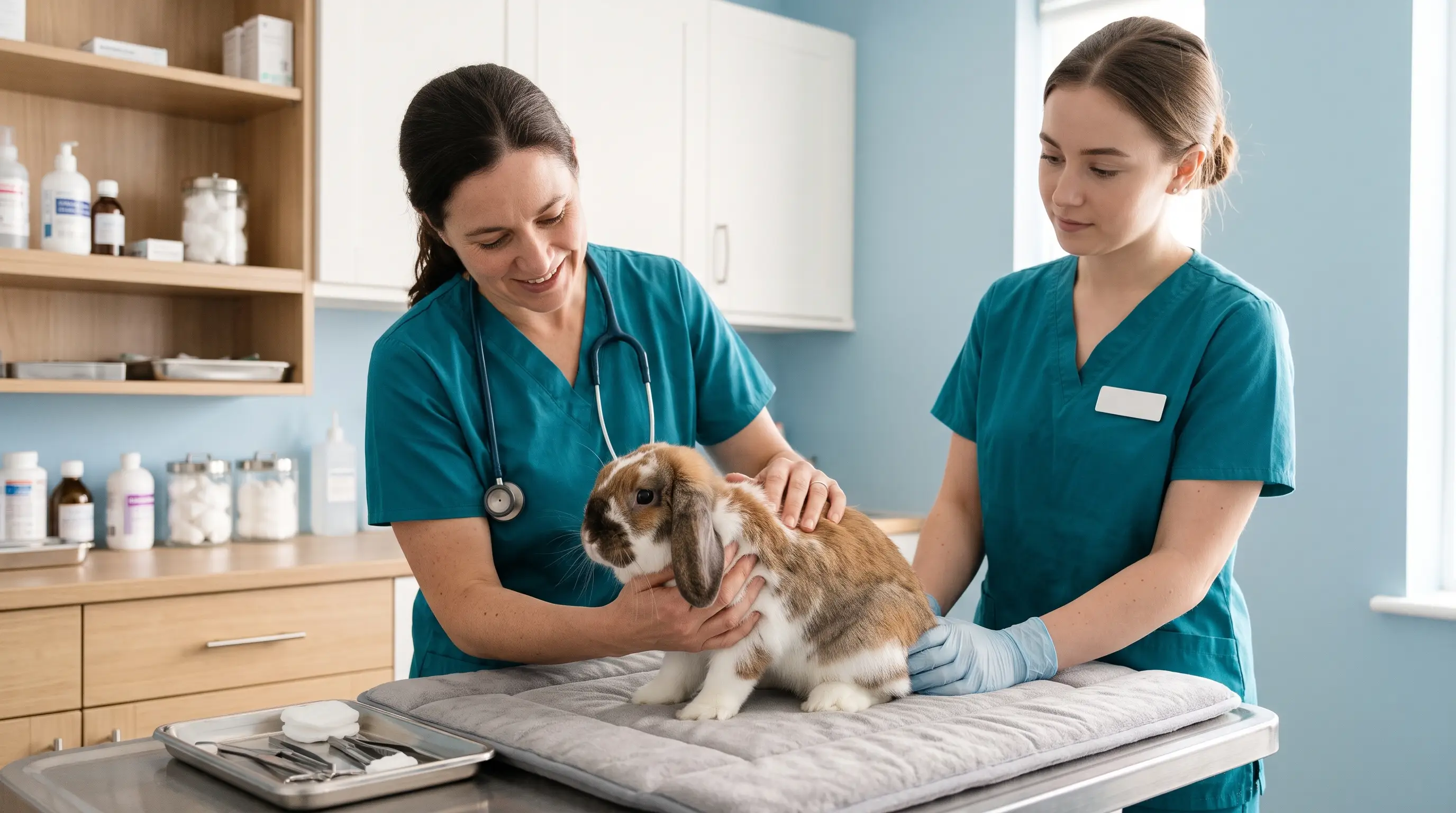
Clinical history is the cheapest improvement available. Our post on clinical history for veterinary teleradiology covers the general principle. For exotic patients, six items carry most of the value.
- Species and body weight, entered exactly as the patient was weighed.
- Age and presenting signs, including how long they have been present.
- The course so far: treatments given, sedation or anesthesia used, and response.
- One clear clinical question, such as whether an obstruction pattern is present.
- Orthogonal views that include the entire patient.
- Husbandry or diet details when they bear on the question.
Talk To A Radiologist
See how RadsForVets reads for your emergency hospital
All modalities, all priorities, every day of the year. No contract and no minimums.
Views By Patient Group
The aim is the same across species: two views at right angles that include the whole patient, with consistent laterality markers. Small mammals and birds are usually imaged in lateral and ventrodorsal projections. Reptiles are usually imaged dorsoventrally, with a horizontal beam lateral view.
Technical quality limits what any reader can say. If positioning or exposure was a compromise because the patient could not tolerate more, say so in the history. The post on technical limitations in imaging submissions explains how the radiologist weighs that information.

What To Expect After You Submit
Every exotic case is read by an ACVR or ECVDI board-certified diplomate from a global team of board-certified radiologists [1]. Exotic patients are covered on a 24-hour best-effort basis, so build interim care around that window rather than around STAT timing.
The report opens with the impression at the top, so prioritized diagnoses and recommendations are the first thing the treating doctor reads. Reports inject into the matching radiology order in ezyVet and Instinct.
"Their thoroughness and professionalism is reflected in their outstanding reports"
Jen Busby, RVN, VTS Anesthesia & Analgesia, NCert ECC, BSc VetSci
If the patient deteriorates or the history changes while the read is pending, tell the Operations Team through the Clinic and Operations Team tab of Real-Time Chat. History changes go to the Operations Team through that channel, and questions to the radiologist reach them in seconds. See real-time chat with your radiologist for how the three tabs work.
Talk To A Radiologist
See how RadsForVets reads for your emergency hospital
All modalities, all priorities, every day of the year. No contract and no minimums.
Writing The Clinical Question For An Exotic Patient
A good question names the decision. "Is there radiographic evidence of a gastrointestinal obstruction pattern?" gives the radiologist something to commit to. "Please evaluate" gives them the whole patient to describe.
- Name the system you suspect: gastrointestinal, respiratory, skeletal, urogenital.
- Say what a positive or negative answer changes: surgery, hospitalization or discharge.
- State findings you already know, so the report does not spend its impression on them.
Prior studies matter as well. If the patient has been imaged before, the radiologist can compare against earlier RadsForVets studies and reports. See prior RadsForVets studies and current interpretation.
Building An Exotic Imaging Routine For Your Shift
A short protocol on the wall of the radiology area saves a decision at 3 AM. Agree on the view set for each patient group, who enters the weight, and who writes the clinical question before the images are sent.
- Stabilize the patient before imaging and decide on sedation with the attending doctor.
- Take the agreed orthogonal views of the whole patient.
- Write the clinical question and the history items in one pass.
- Submit, then note the expected read window in the patient record.
- Use Real-Time Chat if the patient or the history changes.
References
- [1]American College of Veterinary Radiology. About the College and diplomate certification. https://www.acvr.org/
- [2]American Veterinary Medical Association. Veterinary guidance and policies. https://www.avma.org/
Related Reading
Talk To A Radiologist
See how RadsForVets reads for your emergency hospital
All modalities, all priorities, every day of the year. No contract and no minimums.
Frequently asked questions
Does RadsForVets Read Exotic Patients In An Emergency?
Yes. Exotic patients are covered on a 24-hour best-effort basis, and every case is read by an ACVR or ECVDI board-certified diplomate.
Which Views Should I Send For A Rabbit Or Ferret?
Send orthogonal views that include the entire patient: a lateral and a ventrodorsal whole-body image. Add a collimated view of the area of concern if the clinical question calls for it.
How Do I Flag A Critical Exotic Patient?
State the clinical urgency in the submission and tell the Operations Team through the Clinic and Operations Team tab of Real-Time Chat. Exotic reads are best-effort within 24 hours, so plan interim care around that window.
What History Helps The Radiologist Most?
Species, weight, age, presenting signs, duration, treatments given, and the one question the image needs to answer. Add husbandry or diet details when they bear on the question.
Can The Report Be Delivered Into ezyVet Or Instinct?
Yes. Reports inject into the matching radiology order in ezyVet and Instinct, and more systems are being added.
