
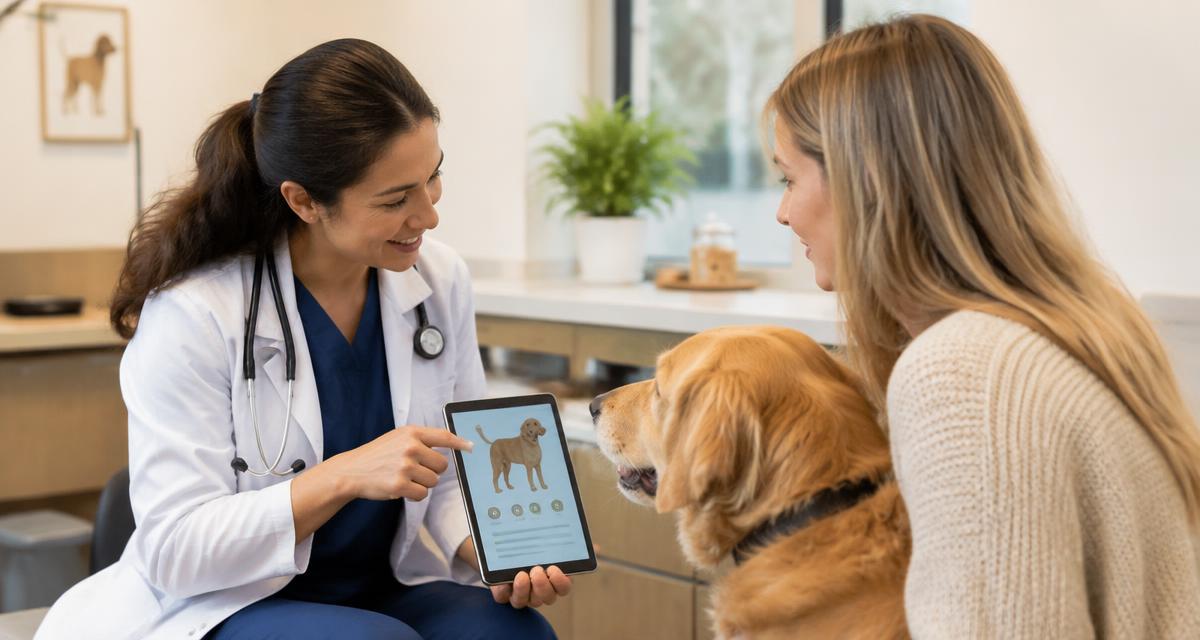
A written report says what the radiologist concluded. A short video shows how they got there. Around 40% of RadsForVets reports include one.
The reason it exists is plain: imaging is a visual medium, and some conclusions are faster to demonstrate than to describe. A sentence about a suspicious margin takes a moment to parse; a specialist pointing at that margin on the study takes none.
What the Video Is
The radiologist moves through the study and points out the findings the report describes. It is brief, specific to the case, and attached to the report itself.
The video is recorded by the same radiologist who wrote the report, so the narration and the written conclusions never diverge. It typically runs short enough to watch between appointments, and it sits inside the report rather than in a separate message.
When It Is Included
- Findings that are easier to point at than to word.
- Spatial relationships that matter to a surgical plan.
- Subtle changes a general practitioner may want to see directly.
It is a judgment the radiologist makes case by case, not an automatic addition to every report.
That judgment is the point. Video earns its place when showing adds something the words cannot carry, and it stays out of the way when the written report is self sufficient. Around four in ten reports clear that bar.
Why Clients Respond to It
Explaining an imaging finding to someone without training is hard. Showing them the study while a specialist narrates it turns an abstract description into something they can see. The conversation usually gets shorter and the decision clearer.
It also helps the team doing the explaining. A veterinarian who has watched the radiologist walk through the study can relay the finding with confidence, and many simply play the clip for the client rather than paraphrasing it.
How It Is Accessed
An icon and QR code in the report open the video, a mechanism that is patent pending. The written report remains the record, still leading with prioritized diagnoses and recommendations.
Where It Fits the Workflow
Video pairs with the other parts of the report rather than replacing any of them. The written conclusions carry the decision, the comprehensive findings carry the record, and Real-Time Chat on the case carries the questions the video raises. Each part does one job, and none of them adds a step to anyone's day.
Frequently asked questions
Common questions
Does every report include a video?
No. Around 40% of RadsForVets reports include one, where the radiologist judges that showing the images adds to the written report.
What is in the video?
The radiologist walking through the study and pointing out what the report describes.
How is the video accessed?
Through an icon and QR code in the report, a mechanism that is patent pending.
Can the video be shown to a client?
Yes. It is often the fastest way to explain a finding to someone without imaging training.
Does the video replace the written report?
No. The written report remains the record, with prioritized diagnoses and recommendations first.
Which study types tend to include video?
Cases where spatial relationships or subtle findings are easier to show than to describe, across X-ray, Ultrasound, CT and MR.
Who records the video?
The same board-certified radiologist who read the study and wrote the report.
Can the video be shared outside the clinic?
It is designed for clinical and client conversations within the practice. For referrals, the comprehensive report travels with the case.
Related reading
Work with us
Board-certified reads, 1 hour STAT X-ray, every day of the year
No contracts, no minimums, and direct access to the radiologist reading your case.