
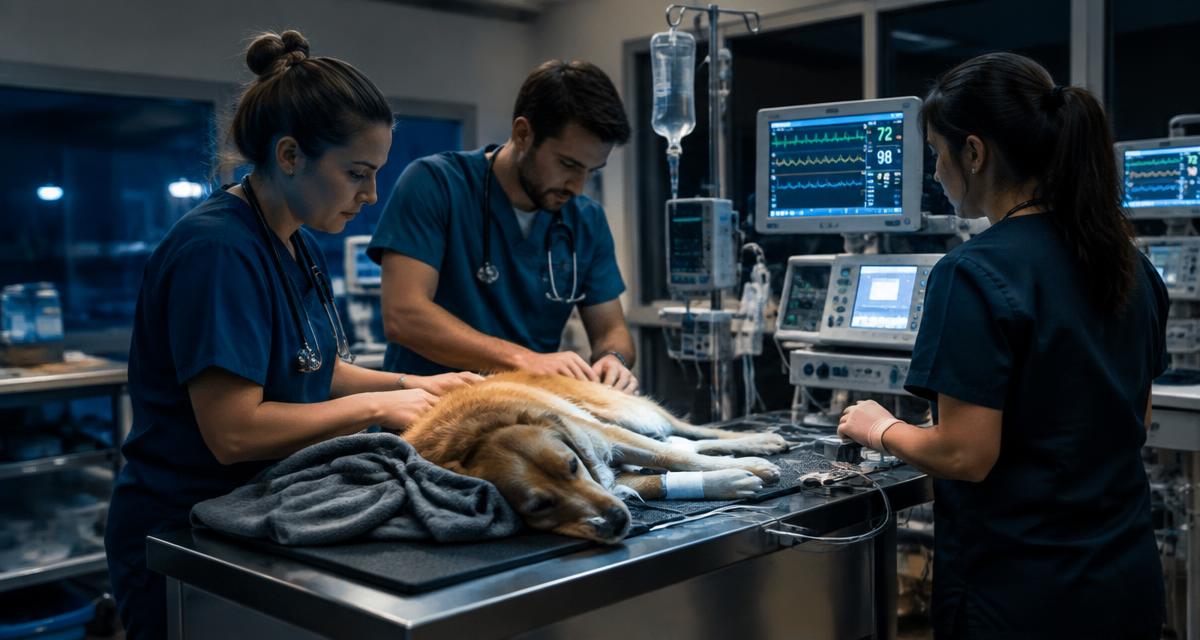
Emergency work has a particular kind of pause: the patient is stable enough to image, the study is on the screen, and the entire plan waits on what it shows. That is the pause a Wet Read is built for.
The Moment a Wet Read Fits
Ask what the team is doing while the study is out. Continuing the shift normally means Standard. Moving on to other patients while waiting means STAT. Standing at the table doing nothing until the answer arrives means Wet Read.
Overnight, the arithmetic is starker. Fewer staff are on the floor, the referring clinic is closed, and the options narrow to treat, transfer, or hold. An imaging answer that arrives in minutes keeps the decision inside the emergency team; one that arrives at dawn may arrive after the decision has already been forced.
What a Wet Read Is
A Wet Read is one where the clinic submits targeted, indication-specific questions which are specifically addressed by the radiologist. The clinic can request that the radiologist either make a call, or send a Wet Read report. The same radiologist will provide the comprehensive final report before shift's end.
The definition matters because it separates two different overnight needs. A STAT submission asks the radiologist to read the study quickly while the team continues working. A Wet Read asks the radiologist to answer the team's specific questions directly, by phone or in a short report, because the next step cannot be taken until those questions are answered.
Where It Shows Up Overnight
- Blunt trauma, where the extent of injury sets the whole treatment path.
- Acute abdomen, where the choice is surgery tonight or medical management.
- Respiratory distress, where the next intervention depends on what the thorax shows.
- Suspected foreign body, where an owner is waiting on a decision in the room.
What these have in common is that the imaging answer selects between branches, not between details: surgery or monitoring, transfer or treat, proceed or wait. When the study changes the branch, waiting for a routine cycle is the expensive option.
Worked examples are in cases where a Wet Read changes the plan.
The Handoff at Shift Change
Overnight cases often cross a shift change, and the comprehensive report is part of that handoff. Because the same radiologist who answered the Wet Read delivers the full report before shift's end, the morning team inherits a documented read rather than a verbal summary of one, and the record carries the reasoning behind the overnight decisions.
Building the Habit Into Triage
Overnight teams do not need a policy document. One question at submission, asked out loud, does the work: are we doing anything else until this comes back? The answer chooses the priority. For everything else, the STAT service holds its commitments at every hour.
The habit compounds during quieter stretches. A team that uses Wet Read only in chaos is learning it under the worst conditions; a team that uses it whenever the answer gates the next step arrives at the true emergency already fluent. Real-Time Chat on the case keeps the conversation open afterward, so a follow-up question reaches the radiologist in seconds rather than starting a new request.
Frequently asked questions
Common questions
What is a Wet Read?
A Wet Read is one where the clinic submits targeted, indication-specific questions which are specifically addressed by the radiologist. The clinic can request that the radiologist either make a call, or send a Wet Read report. The same radiologist will provide the comprehensive final report before shift's end.
When should an emergency team choose Wet Read over STAT?
When nothing else is happening until the answer arrives. STAT fits urgent cases where the team can keep working in the meantime.
Is a Wet Read read by a board-certified radiologist?
Yes. Every priority goes to a radiologist certified by the American College of Veterinary Radiology or the European College of Veterinary Diagnostic Imaging.
Does a full report still follow?
Yes. The same radiologist provides the comprehensive final report before shift's end.
Is Wet Read available overnight?
Coverage runs 24/7/365. It is the same on Sunday at 3 AM as it is on Wednesday at 3 PM.
How does the team ask a follow-up question?
Real-Time Chat on the case reaches the radiologist in seconds, with no busy signal, voicemail, email or hold.
Which species can be submitted?
Dogs, cats and exotics. Exotic studies are read on a best-effort basis within 24 hours.
Does using a Wet Read slow down other cases?
No. Each study is read on its own priority, and Wet Read cases are handled by the same around-the-clock team that carries STAT and Standard work.
Can a priority be changed after submission?
Yes. If a case escalates, the priority can be raised and the Operations Team helps sort it out through the case chat.
What information should an overnight submission include?
The targeted questions, the clinical history, and the views acquired. Indication-specific questions are what make a Wet Read work.
Related reading
Work with us
Board-certified reads, 1 hour STAT X-ray, every day of the year
No contracts, no minimums, and direct access to the radiologist reading your case.